

Every customer question is a decision point. A fast, clear, and respectful answer can remove doubt, protect a sale, and make your store feel dependable. A vague or careless reply can do the opposite, even when your product is good. In ecommerce, buyers often cannot touch the item, meet the seller, or get instant in-person reassurance, so your written response becomes part of the shopping experience itself.
That is why learning how to answer customer questions in a professional way matters so much. Professional answers do more than solve problems. They build trust, reduce confusion, prevent repeated messages, and improve the chance that a customer will buy again. They also help protect your reputation when questions involve delays, stock issues, returns, or frustration.
Many sellers make the same mistakes: they answer only part of the question, sound robotic, use defensive language, or send replies that are technically correct but not actually helpful. Customers do not just want information. They want confidence that someone has understood their concern and is guiding them toward the next step.
This guide explains a practical, repeatable system for answering customer questions professionally. You will learn the core elements of a strong response, a step-by-step method you can use every day, example replies for common ecommerce situations, and ways to handle difficult conversations without sounding cold or scripted.
Why Professional Customer Responses Matter in Ecommerce
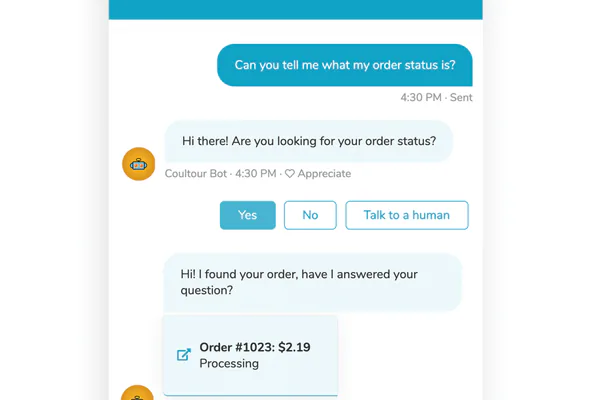
Professional communication has a direct effect on how customers judge your business. In an online store, trust is built through small signals: accurate listings, clear policies, reliable delivery, and the quality of your communication. When buyers send questions before or after ordering, they are often testing whether your store is organized, honest, and responsive.
Professional answers reduce buying hesitation
Many customer questions come from uncertainty. A shopper may want to know whether a product fits a certain need, when an order will arrive, or what happens if something goes wrong. If your reply is specific and easy to understand, you remove friction from the buying process. If your answer is incomplete, the customer may delay the purchase or leave the store entirely.
Response quality shapes your brand image
Customers remember how a business made them feel. A professional answer shows that your store is careful, respectful, and solution-oriented. Even when the answer is not what the customer hoped for, the right tone can preserve goodwill. For example, telling someone an item is out of stock is disappointing, but explaining the restock timeline and offering an alternative still feels helpful.
Good answers can prevent negative reviews
Unanswered or poorly answered questions often turn into complaints. This is especially common when customers feel ignored or misunderstood. A calm, useful reply can stop a small concern from becoming a public problem. In many cases, people are more forgiving of an issue than of confusing communication about that issue.
Strong communication improves efficiency over time
Professional responses are not only about courtesy. They also make your support process more efficient. When you answer clearly the first time, customers are less likely to send follow-up questions. This lowers support volume, speeds up resolution, and helps your team spend more time on meaningful cases instead of repeating the same explanations.
For ecommerce sellers, this is an important mindset shift: customer service is not separate from sales. It is part of conversion, retention, and reputation management.
The Core Elements of a Professional Answer
If you want to know how to answer customer questions in a professional way, start by focusing on the building blocks of a strong response. A professional answer usually contains six elements working together.
1. Clarity
The customer should understand your reply immediately. Use direct language, short paragraphs, and specific details. Avoid jargon, vague promises, or long explanations that hide the actual answer. If the customer asks, When will my order ship?, the reply should include a time frame, not a broad statement like It will be processed soon.
2. Accuracy
Professional answers must be factually correct. Never guess. If you are unsure, verify the information first or tell the customer you are checking. Incorrect information creates more frustration than a short delay. Accuracy is especially important for shipping times, stock status, pricing, return policies, warranties, and payment issues.
3. Empathy
Empathy does not mean over-apologizing or becoming overly emotional. It means recognizing the customer's concern in a human way. A simple sentence such as I understand why you're asking or I can see how that delay is frustrating shows attentiveness without sounding dramatic.
4. Professional tone
Your tone should be polite, calm, and confident. Avoid sounding casual in a way that feels careless, but also avoid sounding stiff and robotic. A professional tone reassures the customer that the matter is being handled properly. It should feel respectful whether the customer is asking a simple question or raising a complaint.
5. Relevance
Answer what the customer actually asked. Many weak responses happen because the seller gives a general explanation instead of addressing the exact concern. Read carefully. If the message includes three questions, answer all three in a structured way.
6. Action
Good answers move the conversation forward. They tell the customer what happens next, what they need to do, or what you will do. The goal is not just to reply. The goal is to resolve uncertainty.
- Weak: Your order is delayed.
- Better: Your order is delayed due to a courier backlog and is now expected to arrive within 2 to 3 business days. We are monitoring the shipment and will update you if the status changes.
The second version is more professional because it explains the issue, gives a realistic expectation, and shows ownership.
A Simple Step-by-Step Method for Answering Customer Questions
A repeatable process helps you stay consistent, especially when support volume increases. Use the method below to answer customer questions clearly and professionally without sounding copied.
Step 1: Read the message carefully
Before replying, identify the real issue. Some customers write very briefly, while others send long messages with several concerns mixed together. Look for the main question, any secondary questions, and the emotional tone of the message. This prevents incomplete replies.
Step 2: Acknowledge the question
Begin by showing that you understand what the customer is asking. This can be short, but it matters.
Examples:
- Thank you for reaching out about your order.
- I understand you would like to confirm the delivery time.
- Thanks for checking on product availability.
This small step makes the reply feel personal and attentive.
Step 3: Answer the main question directly
Do not bury the answer deep in the message. If the customer asks whether a product is in stock, state that clearly in the first or second sentence. If they ask how to return an item, explain the process in direct language.
A useful rule is this: lead with the answer, then add supporting details.
Step 4: Add useful context
After the direct answer, include any details the customer will likely need next. This could mean shipping time, policy limits, size guidance, replacement options, or a link to the next step. Context reduces the need for follow-up messages.
Step 5: State the next action
Tell the customer what you will do or what they can do next. This makes the conversation feel organized.
- I have asked our warehouse to recheck the stock count.
- You can reply with your order number and we will verify the status.
- If you prefer, we can help you start a return today.
Step 6: Close politely
End with a professional closing that keeps the door open for further help.
- Please let me know if you would like me to check that for you.
- If you have any other questions, I'm happy to help.
- Feel free to reply if you need help with the next step.
A simple response formula
You can remember the flow with this structure:
- Acknowledge the question.
- Answer it directly.
- Add the most relevant details.
- Explain the next step.
- Close politely.
This formula works for email, marketplace messaging, live chat, social inboxes, and help desk systems.
Examples of Professional Responses to Common Customer Questions
Templates are useful when they sound human and specific. Below are examples that show how to answer customer questions in a professional way in common ecommerce situations.
Shipping question
Customer: When will my order arrive?
Professional response: Thank you for your message. Your order is currently being processed and is expected to ship within 1 business day. After shipment, delivery usually takes 3 to 5 business days. I will be glad to help if you would like me to confirm the latest tracking update for your order.
Out-of-stock question
Customer: Is this item available in blue?
Professional response: Thank you for checking. The blue version is currently out of stock. Our next restock is expected next week, although the exact date may vary slightly. If helpful, I can suggest a similar option that is available now.
Return policy question
Customer: Can I return this if it does not fit?
Professional response: Yes, you can return the item if it does not fit, as long as it is unused and returned within our return window. If you decide to proceed, we can guide you through the return steps and let you know the expected processing time.
Delay complaint
Customer: My package is late and I'm not happy about it.
Professional response: I understand your frustration, and I'm sorry for the delay. I checked the shipment status and the courier has updated the delivery estimate to within the next 2 business days. We are monitoring the shipment closely. If it does not move by then, we will help you with the next solution right away.
Price question
Customer: Why is this item more expensive than similar products?
Professional response: Thank you for asking. The price reflects the product materials, quality standard, and included features. We want customers to know exactly what they are paying for, so if you would like, I can point out the main differences between this item and similar options.
Order change request
Customer: Can I change my address after placing the order?
Professional response: We may be able to help if the order has not yet been packed or shipped. Please send your correct address as soon as possible, and we will check the order status immediately. If the package has already shipped, we will explain the best available option.
Damaged item message
Customer: My order arrived damaged.
Professional response: I'm sorry to hear that your order arrived in that condition. Please reply with your order number and a clear photo of the item and packaging so we can review it quickly. Once we receive that, we will help you with the appropriate next step as soon as possible.
These examples work because they are specific, calm, and action-based. They do not avoid the problem, and they do not overwhelm the customer with unnecessary detail.
How to Handle Difficult, Repetitive, or Frustrated Customer Questions
Some of the most important moments in customer service happen when the conversation is not easy. This is where professionalism matters most. A defensive or rushed message can escalate tension quickly, while a composed answer can turn the interaction around.
When the customer is frustrated
Do not mirror the customer's emotional tone. Stay calm and acknowledge the inconvenience without arguing. Your goal is to show control, not to win the exchange.
Use phrases like:
- I understand why this is frustrating.
- Thank you for bringing this to our attention.
- Let's work through the next step together.
Avoid phrases like:
- As we already said
- That is not our fault
- You need to calm down
Even if the customer is mistaken, your reply should still sound measured and respectful.
When the same question is asked repeatedly
Repetitive questions usually mean one of two things: the original answer was unclear, or the customer needs extra reassurance. Instead of sounding irritated, restate the key point more simply and add a direct next step.
For example, instead of saying As mentioned before, delivery takes 5 days, say To confirm, your package is expected within 5 business days from the shipping date. If you would like, I can also help you track the current status.
When the answer is no
Professionalism is especially important when you cannot give the customer what they want. Maybe the return window has passed, a discount is unavailable, or an order cannot be canceled. In these cases, be firm but respectful. Do not use cold language. Explain the policy briefly and offer any reasonable alternative.
Example:
Thank you for your message. This order is no longer eligible for cancellation because it has already been shipped. However, once it arrives, you can review our return options if needed. If you would like, I can explain that process now.
When the customer message is unclear
Do not assume. Ask a short clarifying question so you can solve the right problem.
- Could you please share your order number so I can check the details?
- Are you asking about the shipping time or the stock status?
- Can you send a photo so we can understand the issue more clearly?
Clarification is professional. Guessing is risky.
When a public reply is needed
On social media or marketplace platforms, you may need to respond where others can see it. Keep the public reply polite and short, then move the case to a private channel for account-specific details.
Example:
We're sorry to hear this. Please send us your order number by direct message so we can review the issue and help you properly.
This protects privacy while still showing the public that your brand is responsive.
Phrases to Use and Phrases to Avoid
Language shapes how your message feels. Two replies can contain the same information but create very different impressions. Below are practical wording choices that make answers sound more professional.
Phrases that sound professional and helpful
- Thank you for your question.
- I understand your concern.
- To confirm, here is the current status.
- The best next step is the following.
- I'd be happy to help with that.
- Here is what we can do.
- Please let me know if you would like me to check further.
Phrases that can sound dismissive or careless
- Like I said before
- That's our policy
- There's nothing we can do
- You should have read the details
- It's not my department
- Wait
- We already told you
How to replace weak wording
- Instead of: That's not possible.
Use: That option is not available for this order, but here is the closest alternative. - Instead of: Your item is delayed.
Use: Your item is delayed by the carrier and the updated estimate is 2 business days. - Instead of: Read the return policy.
Use: Our return policy allows returns within the stated window, and I can explain the steps if helpful.
The goal is not to sound overly polished. The goal is to sound respectful, clear, and solution-focused.
How to Create a Consistent Response Standard for Your Team
If more than one person replies to customers, consistency becomes essential. Customers should not receive one tone from email, another from chat, and a completely different one from social media. A basic response standard helps your team sound professional at scale.
Create approved response templates
Templates save time, but they should be flexible rather than rigid. Build templates for frequent topics such as shipping, returns, damaged items, stock questions, and order updates. Then train staff to personalize key details such as the customer's issue, time frame, and next step.
A good template includes:
- A polite opening
- A direct answer
- Relevant details
- A clear action point
- A professional closing
Define your brand voice
Decide how your store should sound. Should the tone be warm and conversational, or more formal and concise? Both can work if they are consistent. What matters is that the tone fits your brand and remains respectful across all channels.
Maintain an internal FAQ
An internal FAQ is different from a public FAQ page. It gives your team verified answers to common questions, including policy summaries, shipping estimates, return rules, product details, and escalation steps. This improves accuracy and reduces inconsistent replies.
Train for judgment, not just scripts
Templates are useful, but staff also need judgment. They should know when to slow down, when to verify details, when to escalate, and when a customer needs a more personal reply. Professional service depends on both structure and common sense.
Review and improve real conversations
One of the best ways to improve customer communication is to review actual support messages. Look for patterns such as repeated confusion, overly long answers, missing information, or tone problems. This helps you refine templates and coach the team more effectively.
Final Tips for Faster and Better Customer Communication
Once you understand how to answer customer questions in a professional way, the next step is improving speed without losing quality. Fast replies matter, but speed should not come at the cost of clarity or accuracy.
Keep answers scannable
Many customers read quickly, especially on mobile devices. Use short paragraphs, bullets, and direct sentences when the topic has several steps. A professional reply is easier to follow when it looks organized.
Answer all parts of the message
If the customer asks multiple questions, respond in the same order. This prevents confusion and shows attention to detail.
For example:
- Yes, the item is in stock.
- Shipping usually takes 3 to 5 business days.
- Returns are accepted within the return window if the item remains unused.
Do not overpromise
Customers appreciate honesty more than unrealistic reassurance. If the exact delivery date is not certain, say so. If you need time to investigate, explain that clearly. Professional communication is reliable, not overly optimistic.
Use customer names and specifics when appropriate
Personal details make a reply feel less generic. Referring to the order number, product name, or customer concern shows that the message was prepared with care.
Know when to escalate
Some issues require more than a standard reply. Payment disputes, missing packages, damaged goods, or repeated complaints may need supervisor review or direct contact with a courier or supplier. Professionalism includes knowing when a case should move to the next level.
Measure response quality, not just response time
Many sellers focus only on how quickly they reply. That matters, but a fast answer that creates more questions is not efficient. Track whether customers need follow-up clarification, whether issues are resolved in one reply, and which questions appear most often. This gives you a better picture of communication quality.
Conclusion
Learning how to answer customer questions in a professional way is one of the most practical skills an ecommerce seller can build. Professional answers create trust, reduce confusion, protect your reputation, and make customers feel supported at every stage of the buying journey. They also save time by lowering repeat questions and making your support process more consistent.
The strongest replies are usually simple. They acknowledge the concern, answer the question directly, provide the right details, explain the next step, and close politely. When the situation is difficult, professionalism matters even more. Staying calm, clear, and respectful can turn a frustrated message into a resolved one.
If you want better customer communication, start with one improvement today: review your most common support questions and rewrite your replies using the method in this guide. Over time, those small upgrades will help your store sound more reliable, more organized, and more trustworthy to every customer who reaches out.
