
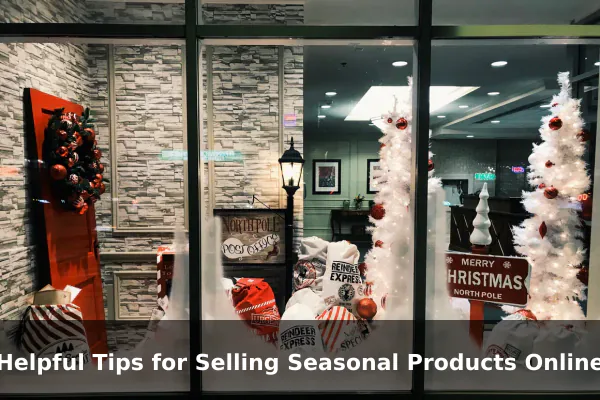
Seasonal products can generate some of the biggest revenue spikes you will ever see as an online seller. A well-timed holiday item, back-to-school bundle, or summer essential can fly off your virtual shelves in days. But that same speed and urgency can work against you if you are not prepared — overstock, missed shipping windows, or poorly optimized listings can turn a promising season into a frustrating loss.
The difference between sellers who profit from seasonal demand and those who get stuck holding excess inventory is preparation. Success rarely comes from rushing to list products the week demand peaks. It comes from planning weeks or months ahead, aligning your store, promotions, and stock levels before the buying window opens. This guide walks you through the practical steps to sell seasonal products with confidence — from choosing the right items to clearing out what is left when the season ends.
Choose Seasonal Products With Predictable Demand
Not every seasonal product is worth stocking. Before you invest in inventory, spend time evaluating whether a product has a consistent and measurable demand pattern — not just a one-time trend you spotted on social media.
Use Historical Data to Spot Reliable Patterns
Look at sales data from previous years, either from your own store or from publicly available tools. Google Trends is one of the most accessible ways to check whether interest in a product rises at the same time each year. If the trend spike is consistent — same month, similar height — that is a strong signal the demand is seasonal and repeatable, not random.
- Search for your product keyword in Google Trends and switch to a five-year view
- Check if demand peaks land in the same season annually
- Look at competitor listings for signs of consistent stock replenishment
- Review your own past order data to see what sold quickly and what lingered
Think About Product Fit for Your Store
A seasonal product should fit naturally with what your store already sells. If you run a homeware store, seasonal kitchen accessories or decorative items make sense. If your niche is pet supplies, seasonal products like holiday pet costumes or summer cooling mats align with your audience. Introducing products that feel out of place can confuse shoppers and dilute your store identity.
Build a Sales Calendar Before the Rush Starts
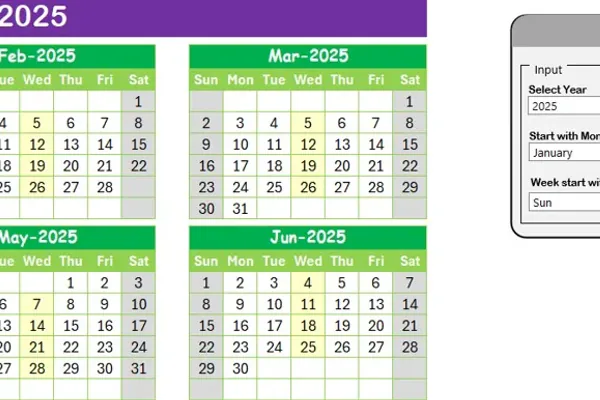
One of the most effective habits of successful seasonal sellers is mapping out the entire promotional window before the first product goes live. A sales calendar gives you a clear view of when to launch, when to push promotions, and when to start winding down.
Work Backward From the Buying Deadline
Identify the last date a customer could realistically order and receive your product in time. For holiday items this might be mid-December for standard shipping. For Valentine’s Day it could be the first week of February. Work backward from that date to set your product launch date, your promotional start date, and your restock decision deadline.
- Product launch: Four to six weeks before the peak buying window
- Promotional push: Two to three weeks before the seasonal deadline
- Final shipping cutoff: Clearly marked on product pages and in emails
- Inventory review: One week before the end of the season
Plan Your Content and Promotions in Advance
Write your email campaigns, social posts, and ad copy before the season starts. This prevents rushed, low-quality promotions and ensures your messaging stays consistent. Schedule everything where possible so the busiest sales days do not become a distraction from fulfillment.
Optimize Product Pages for Seasonal Search Intent
When shoppers look for seasonal products, their search behavior shifts. They search more urgently, use seasonal language, and are more likely to buy quickly. Your product pages need to reflect this intent.
Update Titles and Descriptions With Seasonal Keywords
Add seasonal language to your product titles and descriptions where it fits naturally. Phrases like Christmas gift, summer essential, back-to-school, or Mother’s Day present help your listings appear in seasonal searches. Write for the shopper first and let the keywords follow naturally from that.
Use Photos That Match the Season
Product photos should feel relevant to the time of year. A candle photographed next to autumn leaves reads as a fall product. A beach bag photographed in sunlight reads as summer-ready. If you already have clean product photos, consider adding a seasonal lifestyle image to each listing without removing the original shot.
Add Urgency Messaging Directly to Listings
Seasonal shoppers respond well to urgency. Add notes like limited seasonal stock or order by December 15 for guaranteed delivery directly on the product page. Keep this messaging honest — false urgency erodes trust quickly and leads to negative reviews.
Price Strategically Across the Full Season
Seasonal pricing is not just about running one big discount. A smarter approach maps out different price points across the buying window to maximize revenue at every stage.
Start With Full Price and Early-Bird Offers
When your seasonal products first go live, hold your full price or offer a small early-bird discount to reward decisive shoppers. Early buyers are often less price-sensitive, so protect your margins here.
Use Bundles to Increase Average Order Value
Rather than discounting individual items, bundle complementary seasonal products together. A gift set or themed bundle at a slightly discounted combined price encourages larger purchases and moves more inventory without sacrificing margin on single items.
Reserve Heavy Discounts for the Final Push
Deep discounts belong at the tail end of the season when you need to clear remaining stock. Running heavy markdowns too early trains your audience to wait for sales. Save your biggest promotions for the final one to two weeks of the buying window when urgency is naturally high.
Use Email and Social Promotions to Capture Peak Demand
Organic traffic alone rarely captures the full potential of a seasonal spike. Pairing your listings with targeted promotions through email and social channels multiplies your reach during the brief window when demand is highest.
Sequence Your Emails Through the Season
Plan at least three to four emails across your seasonal window:
- Launch email: Products are now live with a clear reason to act
- Mid-season email: Spotlight a bestseller or introduce a bundle
- Urgency email: Remind subscribers of the ordering deadline
- Last chance email: Final call before stock runs out or the season closes
Match Your Social Content to the Season
Post social content that feels timely without feeling forced. Show your products in use, share behind-the-scenes packing and prep, and repost customer photos when permission is given. Consistent seasonal content keeps your store visible in followers’ feeds throughout the buying window.
Prepare Inventory and Fulfillment for Short Buying Windows
Running out of stock during peak demand is one of the most common and costly mistakes in seasonal selling. Fulfillment bottlenecks are equally damaging — slow shipping during a high-intent buying window leads to canceled orders and negative reviews.
Estimate Demand Based on Past Data
If you have past sales data, use it. If you are selling a seasonal product for the first time, research competitor sell-through rates and start with a conservative stock level you can add to if demand outpaces expectations. Over-ordering is worse than a brief stockout — at least a stockout does not leave you holding unsold inventory weeks after the season ends.
Confirm Shipping Cutoffs Early
Know your carrier’s seasonal shipping cutoffs before the season starts. Build these dates into your product pages and communicate them clearly in your emails. Customers appreciate transparency, and clear cutoff dates reduce the number of support questions you have to handle during your busiest fulfillment period.
Create Urgency Without Hurting Trust
Urgency is a genuine part of seasonal selling — products do run out, delivery windows do close, and the season does end. But manufactured urgency destroys customer trust faster than almost any other tactic.
- Only display low-stock alerts when stock genuinely is low
- Use real countdown timers tied to actual deadlines, not ones that reset
- Mention specific shipping cutoff dates rather than vague warnings
- Frame urgency around value — get it in time for the holiday — rather than pressure
Honest urgency works because it is grounded in reality. Customers who trust your messaging are more likely to buy, return next season, and leave positive reviews — which compounds into stronger performance across every future seasonal cycle.
Have a Clear Plan for the End of the Season
The season does not end cleanly. There will be leftover stock, returns, and customers asking questions after the buying window closes. How you handle this period directly shapes your starting position for next year.
Clear Remaining Stock Strategically
Do not sit on leftover seasonal inventory indefinitely. Run a final clearance sale, bundle slow movers with other products, or offer a small discount exclusively to your email list. Moving this stock frees up capital and storage space for your next buying cycle.
Gather Data Before You Archive the Season
Before you move on, document what worked. Which products sold out fastest? Which promotions drove the most clicks? What did customers say in reviews? This data becomes your planning foundation for next year and saves you from repeating mistakes or under-ordering your best sellers.
Repurpose or Archive Listings Properly
Seasonal listings should not be left active with no stock or deactivated without notes. Archive them with tags or internal notes that remind you to reactivate and update them for next year. Some listings can be repurposed with small edits — a Christmas gift box might become a birthday gift box with a photo swap and updated copy, keeping the listing history and any reviews intact.
Selling seasonal products online rewards sellers who plan ahead, adapt quickly, and treat each season as a learning opportunity. The sellers who build repeatable systems — a clear calendar, optimized listings, honest urgency, and a post-season review — consistently outperform those who scramble to react. Start your preparation early, stay consistent with your promotions, and always enter the off-season with clean data and cleaner inventory. The next seasonal opportunity is already on the calendar.
