
When someone lands on a marketplace or search results page, the product title is the first thing they read. Before checking the price, before looking at photos, before scrolling through reviews — the title is what tells a shopper whether this product deserves their attention. A weak title gets passed over in seconds. A strong title earns the click.
Many online sellers put real effort into product photos and descriptions but treat titles as a last step. That is a missed opportunity. Product titles directly affect how your listings rank in search, how easily shoppers can filter results, and whether someone feels confident enough to click through. Getting them right does not require advanced copywriting skills — just a clearer understanding of what makes a title do its job well.
This article walks through the key elements of a well-written product title, a simple formula you can reuse across your store, the details that actually matter to shoppers, and the common mistakes that quietly hurt your listings without you realizing it.
Why Product Titles Matter More Than Most Sellers Think
Product titles are one of the most overlooked elements in an online store, yet they carry significant weight in three areas: search visibility, first impressions, and buyer confidence.
On most ecommerce platforms and search engines, your title is scanned to determine whether your product matches what someone searched for. A title missing the right terms will not appear in relevant searches — no matter how good the product actually is. A title with the right keywords placed in a clear order signals to both search algorithms and human shoppers that your product is exactly what they need.
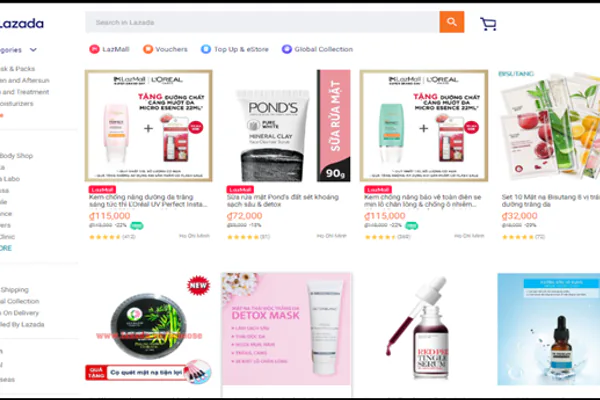
First impressions also happen through text, not just visuals. When a shopper is scanning a list of twenty similar products, a title that clearly communicates what the product is and who it is for will always outperform one that is vague or generic. Titles that include specific details like size, material, use case, or compatibility reduce hesitation and speed up the decision to click.
Start With the Information Shoppers Actually Look For
Before you can write a strong title, it helps to think about what a shopper is actually typing when they search. Most product searches include at least two or three of the following elements:
- Product type — what the item fundamentally is (e.g., backpack, running shoes, coffee mug)
- Brand name — if recognizable, this builds trust and helps with brand-specific searches
- Key feature or material — what makes this version of the product stand out (e.g., waterproof, stainless steel, noise-cancelling)
- Size or quantity — especially important for clothing, consumables, or multi-pack items
- Color or style — relevant when variation matters to the buyer
- Use case or audience — who it is for or what it is used with (e.g., kids, outdoor use, office desk)
Not every product needs all six. A handmade ceramic bowl does not need a compatibility note. But a laptop stand for a 15-inch notebook absolutely should mention that. The goal is to include the attributes that shoppers most commonly filter or search by when looking for your type of product.
Use a Simple Formula to Keep Titles Clear
One of the most effective ways to write product titles consistently is to follow a repeatable structure. Here is a simple formula that works across most ecommerce categories:
[Brand] + [Product Type] + [Key Feature or Material] + [Size or Color] + [Use Case or Compatibility]
You do not always need every element, but placing them in this order keeps the most important information toward the front — which is what shoppers see before a title gets cut off on mobile screens or small preview cards.
Examples of the formula in use
- Anker USB-C Charging Cable, Braided Nylon, 6ft, Compatible with iPhone 15 and Android
- Hydro Flask Insulated Water Bottle, Stainless Steel, 32oz, Wide Mouth, Matte Black
- Kids Waterproof Rain Jacket, Lightweight Hooded Windbreaker, Ages 4–12, Navy Blue
Each of these titles communicates exactly what the product is, what it offers, and who it is for — without sounding forced or cluttered.
Choose Keywords Without Making the Title Awkward
Search terms matter, but a title stuffed with keywords at the expense of readability will push shoppers away. The best product titles are both search-friendly and easy to read at a glance.
How to place keywords naturally
Start with the term a shopper would most likely type to find your product. Place it near the beginning of the title. Then build out the rest with specific, helpful details that support the main term rather than repeat it.
Avoid forcing multiple keyword variations into one title. If your product is a travel pillow, you do not need to write travel pillow neck pillow airplane pillow — pick the most relevant primary term and describe the product well. Related searches will still surface it through accurate attributes.
Also avoid overly technical language that real shoppers do not actually type. Platform jargon can make your title feel robotic and harder to scan quickly.
Make Your Titles Specific, Not Overloaded
There is a real difference between a title that is usefully specific and one that is overloaded with detail. Both hurt sales, just in different ways.
A vague title like Blue Bag tells the shopper almost nothing. They cannot tell if it is a handbag, gym bag, beach bag, or tote. They move on. An overloaded title like Premium Quality Ultra-Durable Multi-Purpose Foldable Blue Bag for All Occasions reads like noise and buries the useful information.
The sweet spot is a title that answers the key questions a shopper has without making them work to parse it. Specific details — material, capacity, fit, purpose — are welcome. Filler words and vague superlatives are not.
Words worth cutting from most product titles
- Amazing, incredible, awesome
- Best, top, premium (without supporting context)
- High quality, good quality
- New (unless it is genuinely a new model or version)
- For you, just for you
Mistakes That Make Product Titles Easy to Skip
Even sellers with great products can hurt their listings with titles that contain avoidable errors. Here are the most common problems to watch for:
- All caps or excessive capitalization — hard to scan and looks unprofessional
- Missing the product type — leading with a feature or benefit before naming what the product actually is
- Keyword stuffing — repeating the same term or cramming in unrelated search phrases
- Inconsistent formatting — mixing styles across listings makes your store look disorganized
- No differentiating detail — titles that look identical to dozens of competitors with nothing to distinguish them
- Too short — single-word or two-word titles lose context and search relevance
Before-and-After Examples of Stronger Product Titles
Seeing improvements side by side makes these principles easier to apply. Here are a few rewrites across different product types:
Fashion
Before: Women’s Jacket Blue Nice Quality
After: Women’s Quilted Puffer Jacket, Zip-Up, Lightweight, Water-Resistant, Navy Blue, Sizes S–XL
Home and Kitchen
Before: Good Coffee Mug
After: Ceramic Travel Coffee Mug with Lid, 16oz, Leak-Proof, Dishwasher Safe, Matte White
Electronics
Before: USB Hub 4 Port
After: Anker 4-Port USB 3.0 Hub, Ultra-Slim, Plug and Play, Compatible with Mac, PC, and Laptop
In each case, the rewritten title answers more of the shopper’s likely questions in a scannable, natural format — without adding unnecessary filler.
A Quick Checklist to Review Every Product Title
Before you publish a product title, run through this short checklist to make sure it is doing its job:
- Does it name the product type clearly? A shopper should know what the item is within the first few words.
- Does it include the most searched attribute? Think material, size, use case, or compatibility — whichever matters most for this product.
- Is the primary keyword near the front? Titles get cut off on small screens, so lead with what matters most.
- Is it readable out loud? If it sounds unnatural when spoken, revise it.
- Does it avoid filler words and superlatives? Remove anything that does not add real information.
- Is the format consistent with your other listings? A consistent style across your store builds trust and looks more professional.
- Is it an appropriate length? Aim for 60–80 characters as a general guide — enough detail without overloading the preview.
Running new titles through this list takes under a minute and can save you from publishing something that looks polished on the surface but misses what shoppers need to see.
Final Thoughts
Writing product titles that stand out is not about being clever or creative — it is about being clear, specific, and relevant. Shoppers make fast decisions, and a well-written title gives them the right information at exactly the right moment. Use the formula, cut the filler, and review each title before it goes live. Small improvements in how you write product titles can make a measurable difference in how often your listings get clicked and how quickly your products sell.
