
Selling online is not only about having good products. Many new sellers assume that once a store is live, buyers will naturally arrive. In reality, most online shops compete for attention in crowded marketplaces, search results, and social feeds. A strong product matters, but visibility is what gives that product a chance to be discovered. That is why basic promotion tips to help online sellers get noticed are so important, especially for sellers who want practical results without spending heavily on ads.
The good news is that promotion does not have to be complicated. A seller does not need a huge audience, a large budget, or a full marketing team to start creating momentum. What works best in the early stage is often a set of simple, repeatable actions: showing products in the right places, giving shoppers a reason to act, encouraging customers to talk about their purchases, and following up with interested buyers. These actions build awareness over time and help a small store appear active, reliable, and worth visiting.
This guide focuses on a unique angle within ecommerce tips: how online sellers can build visibility through low-cost promotion habits and channel-specific tactics. Instead of repeating advice about choosing products, writing descriptions, or setting prices, this article explains how to get more eyes on what you already sell. If you want a beginner-friendly roadmap for promoting your store consistently, the sections below will help you turn simple marketing actions into real attention and stronger sales opportunities.
Build a Storefront That Looks Ready to Buy From
Promotion works best when the page a buyer lands on feels complete, clear, and ready for action. If you drive visitors to a confusing store, they may leave before your marketing has any chance to work. This does not mean you need a perfect brand or expensive design. It means your store should support the promotion you are doing instead of weakening it.
Think of your storefront as the place where attention turns into interest. When someone clicks from social media, email, or a creator mention, they should instantly understand what you sell, why it matters, and what to do next.
Make the path to purchase obvious
Every promoted product page should answer a few basic questions right away. Buyers should not have to search for important details or guess how to place an order.
- Show the product name clearly at the top.
- Make the price easy to spot.
- Display the main product benefit in the first visible section.
- Use a simple and noticeable add-to-cart or buy-now button.
- State shipping, delivery, or return details where relevant.
Promotion creates curiosity, but clarity creates action. If your page is vague, the click you worked hard to earn may be wasted.
Match the message between the promotion and the landing page
One common mistake in ecommerce promotion is inconsistency. A seller posts a message about a discount, a bundle, or a key product benefit, but the landing page does not reflect that same promise. This creates friction and weakens trust.
For example, if your post says “Perfect desk organizer for small workspaces”, the product page should immediately reinforce that message with visuals and text that support compact organization. If your email highlights a limited-time offer, the page should clearly show that offer. Consistency helps buyers feel that they arrived in the right place.
Use promotion-ready trust signals
This article is not about store design in general, but promotion becomes more effective when a few trust elements are visible. A buyer who finds your store through a social post or creator recommendation often makes a fast judgment.
Helpful trust signals include:
- Short customer quotes or ratings if available.
- Clear contact details or customer support options.
- Secure checkout badges if your platform supports them.
- Simple policy links for shipping, returns, or exchanges.
- A concise brand message that explains what your store focuses on.
These elements do not replace promotion, but they increase the chance that promotion will convert.
Prepare a few pages before you actively promote
Instead of trying to promote your entire store at once, choose a few pages that are ready for traffic. This is especially useful for new sellers. Start with one to three products that are easy to explain, visually clear, and relevant to a defined customer need.
A practical approach is to prepare:
- One product page for your best everyday item.
- One page for a giftable or seasonal product.
- One collection or category page for shoppers who want to browse.
This gives you multiple options when creating social posts, email campaigns, or small collaborations. It also keeps your promotion focused instead of scattered.
Use Social Media to Put Products in Front of New Buyers
For many small stores, social media is the easiest place to start promoting. It is free to use, visual, and built for discovery. The problem is that many sellers post only when they feel like it, which leads to long gaps, weak reach, and mixed results. A better approach is to treat social media as a repeatable visibility channel, not a place for random sales posts.
Choose platforms based on product behavior
You do not need to be on every platform. The right choice depends on how your product is best discovered.
- Instagram works well for visual products, lifestyle shots, short reels, and brand storytelling.
- TikTok is useful for product demonstrations, transformations, packaging clips, and quick problem-solution videos.
- Pinterest helps products with search-friendly appeal such as home, fashion, gifts, organization, beauty, crafts, and seasonal ideas.
- Facebook groups and pages can still be useful for local businesses, hobby niches, and community-based sales.
- YouTube Shorts can support products that benefit from explanation, comparison, or how-to use cases.
Pick one main platform and one supporting platform. That is usually enough for a beginner to stay consistent.
Create content themes instead of repeating product ads
People do not follow sellers just to see constant offers. They follow accounts that are useful, interesting, or enjoyable. That means your content mix should include more than direct selling.
A simple weekly content plan could include:
- One product-in-use post showing how the item fits into real life.
- One behind-the-scenes post such as packing orders or preparing stock.
- One educational post with a tip related to the product category.
- One customer-focused post such as a review, testimonial, or buyer photo.
- One promotional post highlighting a deal, restock, or limited bundle.
This balance helps your account feel active without becoming repetitive or too aggressive.
Show the product solving a problem
Basic promotion tips to help online sellers get noticed should always include one essential rule: people respond faster when they see usefulness. A plain product shot may not get much attention, but a product in action often does.
If you sell storage products, show a messy space becoming organized. If you sell kitchen tools, show a faster way to prepare something. If you sell accessories, show how they complete an outfit or simplify a daily routine. Useful content earns more saves, shares, and clicks than generic promotional language.
Use captions that guide action gently
Strong captions do not need to sound pushy. They should give context, highlight value, and offer a clear next step.
Examples of light but effective calls to action include:
- “See the full color options in our store.”
- “This is one of our easiest gift ideas for busy shoppers.”
- “Tap through to view the full bundle.”
- “Available now while this week’s stock lasts.”
- “Visit the shop to see how it works in detail.”
This style feels more natural than constant “Buy now” messaging and often performs better with first-time viewers.
Post with enough consistency to be remembered
Consistency matters more than intensity. A seller who posts useful content three times every week for three months often gains more traction than a seller who posts ten times in one week and disappears for a month.
Keep your social promotion manageable:
- Set a realistic posting frequency.
- Create content in batches when possible.
- Reuse one product angle across multiple formats.
- Review which posts drive clicks, not just likes.
Small accounts grow when they remain visible long enough to be recognized.
Offer Simple Deals That Motivate First Purchases
One of the most effective promotion methods for online sellers is the smart use of simple offers. Buyers who have never ordered from your store may need an extra reason to try you for the first time. A basic promotion can reduce hesitation, create urgency, or increase perceived value without forcing you into deep discounting.
Use beginner-friendly offers that are easy to understand
The best promotions for small stores are often the simplest. Complicated discount rules can confuse shoppers and make your store seem harder to buy from.
Good entry-level promotional ideas include:
- First-order discount codes.
- Free shipping above a minimum spend.
- Two-item or three-item bundles.
- Limited-time restock offers.
- Small gift-with-purchase promotions.
Each offer should be easy to explain in one sentence. If customers need to calculate too much, the promotion loses strength.
Make the offer support your business goal
Not every deal should be about lowering prices. The strongest promotions are the ones that match what you need to improve.
- If you want more first-time buyers, try a welcome coupon.
- If you want higher order values, use bundles or free shipping thresholds.
- If you want faster movement on selected items, create a short seasonal offer.
- If you want to encourage repeat purchases, send a post-purchase code for the next order.
This approach keeps promotions strategic instead of random.
Give the promotion a clear time frame
Many offers fail because they feel permanent. When a buyer thinks a discount will still be there later, there is less reason to act now. A defined time frame adds focus without sounding overly salesy.
Examples include:
- Weekend-only free shipping.
- 48-hour launch offers for new arrivals.
- Monthly bundle specials.
- Holiday gift packs available until stock runs out.
Keep the timing honest. Artificial urgency can hurt trust if it appears too often or never really ends.
Promote the deal in multiple places
A good offer should not live in only one place. If you create a useful promotion, make it visible wherever buyers may interact with your brand.
- Feature it on the homepage or a key collection page.
- Mention it in social captions and stories.
- Include it in your email welcome message.
- Add it to creator outreach or community promotions where relevant.
- Remind visitors through a simple banner or announcement bar.
Repeating the same promotion across channels improves the chance that shoppers will notice and remember it.
Encourage Reviews and Customer-Generated Content
Promotion becomes easier when customers start helping you market the product. Reviews, buyer photos, and short testimonials create a form of social proof that is especially valuable for smaller stores. A new visitor may not fully trust your own claims, but they often pay attention when another customer shares a positive experience.
Ask for reviews at the right moment
Many sellers want reviews but never request them clearly. A simple follow-up can make a major difference. The best time to ask is after the order has had enough time to arrive and be used.
Your request should be short and specific. Instead of a vague “Please review us,” try asking what the buyer liked, how they used the product, or whether the item solved the problem they expected it to solve. Specific requests often lead to more useful responses.
Make it easy for customers to share photos
Customer-generated images are powerful because they show the product in a real setting. They also give you additional promotional content without requiring a new photo shoot.
Ways to encourage this include:
- Invite customers to tag your account on social media.
- Ask for a photo in a post-purchase email.
- Offer a small future discount in exchange for a submitted image and review.
- Feature selected customer content in your stories or feed.
When buyers see that real people interact with your products, your store feels more active and more trustworthy.
Turn reviews into reusable promotion assets
A review should not stay hidden on the product page only. You can repurpose customer feedback in ways that strengthen multiple channels.
- Use short quotes in social graphics.
- Add testimonials to email campaigns.
- Feature review snippets on landing pages.
- Create before-and-after posts if the product solves a visible problem.
- Highlight repeat buyer comments to reinforce long-term satisfaction.
This gives you a steady source of credible promotional material that does not rely on writing new sales copy every time.
Focus on authenticity over perfection
Not every customer photo will look polished, and not every review will sound dramatic. That is fine. Buyers often trust simple, realistic feedback more than overly polished endorsements. A brief message such as “Easy to use, arrived quickly, and looks great on my desk” can be highly persuasive because it sounds natural.
For online sellers trying to get noticed, authentic customer evidence is often more valuable than exaggerated promotional language.
Promote Through Email and Repeat-Customer Reminders
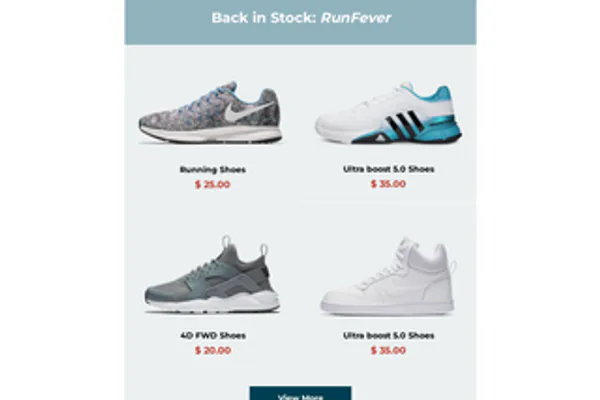
Email remains one of the most practical promotion tools in ecommerce because it reaches people who already showed interest. A social post may be missed, and marketplace traffic may come and go, but email lets you speak directly to past visitors and customers. Even a small email list can produce meaningful sales when the messages are relevant.
Start with a simple welcome sequence
When someone joins your list, the first email should do more than say hello. It should introduce your store clearly, set expectations, and give a reason to come back soon.
A basic welcome sequence can include:
- An introduction to what your store sells and who it is for.
- A first-order incentive if appropriate.
- A message featuring bestsellers or customer favorites.
- A follow-up that answers common buying questions.
This sequence helps new subscribers move from awareness to first purchase.
Use reminders without overwhelming people
Email promotion works best when it feels timely and helpful. If someone viewed a product, added to cart, or purchased before, that behavior gives you a clue about what kind of reminder may be useful.
- Send abandoned cart reminders with a clear link back to checkout.
- Notify subscribers when popular items return to stock.
- Share new arrivals with people who bought related products before.
- Remind customers about seasonal buying windows or gift deadlines.
These reminders are effective because they connect to real shopper behavior instead of broad untargeted promotion.
Segment basic audiences for better results
You do not need advanced automation to improve performance. Even simple audience grouping can make your emails more relevant.
Useful beginner segments include:
- New subscribers who have not purchased yet.
- First-time customers.
- Repeat customers.
- Shoppers interested in a certain category.
- People who clicked but did not buy.
When a message matches what the person already cared about, open rates and clicks usually improve.
Keep promotional emails focused on one main action
One email should usually have one main purpose. If you try to promote a discount, a new arrival, a review request, and a blog article all at once, the result can feel scattered.
Instead, build emails around one clear theme:
- A limited-time offer.
- A restock announcement.
- A seasonal collection.
- A customer-favorite product set.
- A reminder to complete a purchase.
Simple structure is part of what makes email such a reliable promotional tool for online sellers.
Partner With Small Creators and Niche Communities
One of the most overlooked basic promotion tips to help online sellers get noticed is to borrow attention from existing communities. You do not need celebrity influencers for this. In many cases, smaller creators and niche communities produce better results because their audiences are more focused and more engaged.
Why micro-creators can outperform larger influencers
Small creators often have tighter audience trust. Their followers may see them as more relatable, more honest, and more selective about what they recommend. That makes them a good fit for stores with modest budgets.
Benefits of working with smaller creators include:
- Lower collaboration costs.
- Higher relevance within a niche.
- More authentic product demonstrations.
- Better chances of direct communication and flexible terms.
If you sell a product with a clear use case or hobby connection, this strategy can be especially effective.
Choose partners based on audience fit, not just follower count
A creator with 3,000 engaged followers in your niche may be more useful than someone with 100,000 followers who rarely talks about products like yours. Relevance matters more than size.
Before reaching out, look for:
- Content style that matches your product naturally.
- Real comments and interaction, not inflated numbers.
- An audience that clearly overlaps with your target buyer.
- Previous brand mentions that feel authentic rather than forced.
This reduces wasted outreach and improves the quality of any collaboration.
Offer simple collaboration formats
You do not need a complicated campaign. Start with low-risk collaboration ideas that make sense for both sides.
- Send a free sample in exchange for honest feedback or a post.
- Provide a custom discount code for the creator’s audience.
- Offer affiliate-style commission if your platform supports it.
- Ask for a short demo video or story set rather than a large campaign.
- Partner on a giveaway with clear rules and a defined time frame.
These formats are easier for small sellers to manage and easier for creators to accept.
Participate in communities with a helpful mindset
Niche communities can include Facebook groups, Reddit communities, local business networks, hobby forums, Discord servers, and marketplace communities. The key is not to enter these spaces and immediately promote your products in a spam-like way. That usually fails.
Instead:
- Answer questions related to your product category.
- Share useful advice or examples.
- Participate consistently before promoting anything.
- Post offers only when they fit the community rules.
- Frame your product as a solution, not just an advertisement.
Helpful participation builds familiarity first. Promotion works better once the community recognizes your value.
Track What Gets Clicks, Sales, and Repeat Interest
Promotion only becomes sustainable when you know what is working. Many online sellers try multiple tactics at once, then assume none of them helped because the results feel unclear. Basic tracking solves this problem. You do not need advanced analytics to start making better decisions. A simple measurement habit is enough.
Focus on a few practical metrics
Do not get distracted by every number available in your dashboard. For beginner-friendly promotion, the most useful questions are straightforward:
- Which channel sends the most visitors?
- Which posts or emails generate clicks?
- Which offer leads to actual orders?
- Which products get attention but not purchases?
- Which customers come back again?
These answers help you identify the promotion methods worth repeating.
Use a simple channel review system
Create a weekly or monthly review process. You can do this in a spreadsheet if needed. Track each promotion channel and note the outcome.
Your review can include:
- Social platform used.
- Type of content posted.
- Offer or message included.
- Clicks or traffic generated.
- Sales or conversions linked to that activity.
Over time, patterns become obvious. You may discover that creator mentions bring better buyers than general social posts, or that email reminders outperform discount posts.
Identify weak points in the customer journey
Tracking should not only tell you what worked. It should also show where interest gets lost.
- If a social post gets attention but few clicks, the call to action may be weak.
- If clicks are high but sales are low, the landing page or offer may need improvement.
- If first purchases happen but repeat purchases do not, follow-up promotion may be missing.
- If email opens are strong but conversions are low, the message may be too broad or unclear.
This type of diagnosis helps you improve results without guessing.
Keep what works and cut what wastes time
One of the smartest ecommerce habits is knowing what not to continue. If a platform consistently consumes time and does not bring quality traffic, reduce your effort there. If a certain promotion type repeatedly leads to purchases, build around it.
Improvement does not always come from doing more. Sometimes it comes from doing fewer things with better focus.
Turn Promotion Into a Weekly Habit
The most useful basic promotion tips to help online sellers get noticed are not isolated tricks. They work when combined into a simple routine. Many small stores struggle not because promotion is impossible, but because it is irregular. A burst of effort followed by silence is hard for customers to notice and hard for algorithms to reward.
A better approach is to create a weekly system that keeps your store visible:
- Refresh one product or collection page that you plan to promote.
- Publish a few social posts with different content angles.
- Run or highlight one simple offer if it supports your current goal.
- Request reviews or reshare customer content.
- Send one focused email to subscribers or past customers.
- Reach out to one creator, group, or community contact.
- Review which actions generated clicks, sales, or replies.
This routine is realistic, repeatable, and much more effective than waiting for a perfect campaign.
Promotion should also grow with your store. Start with the channels you can manage well, then expand once you see consistent signals. A seller who understands how to attract attention, build trust, and repeat what works has a major long-term advantage. Visibility is not accidental in ecommerce. It is created through clear messaging, steady activity, and useful reminders placed where buyers already spend time.
In the end, getting noticed online is less about flashy marketing and more about disciplined basics. Show your products in real contexts, give shoppers a reason to try them, let customers speak for you, follow up with interested buyers, and measure what leads to action. When those habits become part of your regular workflow, promotion stops feeling random and starts becoming a reliable engine for store growth.
