
Ecommerce tips are everywhere — in blog posts, YouTube videos, seller forums, and social media threads. Some of them genuinely improve results. Others, applied without care, waste time, erode margins, or confuse customers. The challenge is not finding advice. The challenge is knowing which advice applies to your store, at this stage, for your specific audience.
This guide breaks down what ecommerce tips actually cover, where they add the most value, where they introduce real risk, and what mistakes consistently hold sellers back. Whether you run a small independent shop or manage a growing multi-product catalog, this framework will help you act on advice with confidence instead of guesswork.
What Ecommerce Tips Really Cover
The term ecommerce tips is broad. It covers five core areas that every online store must manage:
- Marketing: Attracting new visitors through SEO, paid ads, social media, and content strategy.
- Conversion: Turning visitors into buyers through product pages, checkout design, and trust signals.
- Operations: Managing inventory, fulfillment, returns, and supplier relationships efficiently.
- Retention: Bringing customers back through email, loyalty programs, and post-purchase communication.
- Customer Experience: Reducing friction at every touchpoint, from first browse to final delivery.
Most tips target one of these areas specifically. A tip that improves checkout conversion has no effect on organic search traffic. A tip about product photography belongs in conversion and customer experience, not logistics. Knowing which category a tip belongs to helps you prioritize what to fix first and set realistic expectations for what a change can actually deliver.
Where Ecommerce Tips Deliver the Most Value
Product Page Improvements
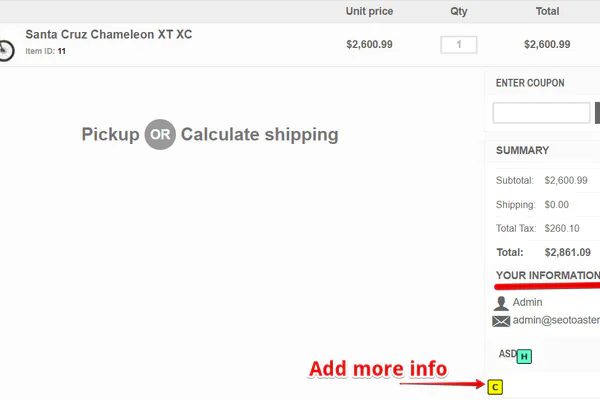
Clear images, benefit-focused descriptions, and visible pricing reduce buying hesitation. These changes apply to nearly every ecommerce store regardless of niche and typically deliver measurable results within days of being implemented correctly.
Checkout Flow Simplification
Abandoned carts are one of the most common and costly revenue leaks in online retail. Removing unnecessary form fields, offering guest checkout, and displaying shipping costs early are proven friction reducers. The simpler the checkout path, the higher the completion rate — and this improvement compounds with every visitor your store receives.
Mobile Usability
More than half of all online shopping now happens on mobile devices. Tips around button sizing, page load speed, and vertical image layout directly affect mobile conversion rates — an area that many stores still significantly under-optimize despite knowing the traffic data.
Email Follow-Up Sequences
Post-purchase emails, review requests, and cart abandonment reminders are consistently among the highest-ROI tactics available to ecommerce sellers. They work because they reach customers who already know your brand, making them far easier and cheaper to convert than cold traffic from ads or search.
Why Good Advice Can Still Create Risk
Not all ecommerce tips are wrong — but even correct advice creates risk when applied without matching context. Here are the most common ways good advice goes bad:
Copying Tactics Without Matching Conditions
A flash sale strategy that worked for a brand with 50,000 email subscribers will not produce the same results for a store with 400. The audience size, trust level, and buying history are completely different. Copying the tactic without matching the conditions leads to poor results and — worse — the wrong conclusion about why it failed.
Over-Relying on Weak or Premature Data
Making decisions based on a few days of data, small traffic samples, or seasonal spikes leads to false conclusions. A change that appears to help during a promotional period may actually hurt results under normal selling conditions. Patience with data is not optional — it is what separates genuine optimization from expensive guesswork.
Damaging Brand Consistency
Applying unrelated visual styles, inconsistent tone, or mixed messaging to chase trends can confuse returning customers. Brand recognition is built through repetition, not constant variety. Frequently changing the look and feel of a store to follow the latest advice signals instability to shoppers, not freshness.
Wasting Ad Spend on Unvalidated Pages
Running paid ads before validating that a product page converts organic traffic is a common and expensive mistake. Ads amplify what already exists. Sending paid traffic to a weak product page does not fix the page — it just burns the budget faster and inflates the cost per acquisition.
Common Ecommerce Mistakes That Undermine Results

Understanding what not to do is often more valuable than collecting more tips. These are the patterns that most consistently hold ecommerce stores back from steady growth:
- Changing too many things at once. When you update product photos, rewrite descriptions, and adjust pricing in the same week, you cannot identify which change helped or hurt your results. Isolated testing is what produces reliable learning.
- Ignoring post-purchase retention. Most sellers focus entirely on acquisition. The reality is that a repeat customer costs significantly less to convert and tends to spend more per order over time.
- Over-discounting as a default strategy. Discounts attract price-sensitive buyers who rarely become loyal customers. Frequent promotions also train your audience to wait for sales rather than buying at full price — a habit that is difficult to reverse.
- Treating all products identically. High-margin products deserve more investment in photography, copy, and promotion. Applying the same effort to every SKU regardless of profitability is inefficient and reduces overall return on effort.
- Skipping the mobile experience audit. Many store owners test changes on desktop only. If the mobile experience is broken, slow, or confusing, those changes will not show positive results in aggregate data — and mobile shoppers will simply leave.
- Neglecting product reviews. Social proof reduces purchase hesitation significantly. Not actively requesting reviews after a successful delivery is a compounding missed opportunity — the longer it is ignored, the harder it becomes to catch up to competitors who have collected years of verified feedback.
How to Test Ecommerce Tips Before Scaling
Before applying any ecommerce tip across your entire store, run a controlled test. Here is a straightforward process that keeps your decisions grounded in real data:
Step 1 — Prioritize by Impact and Effort
List the tips you want to test. Score each one by estimated impact (high, medium, low) and the effort required to implement. Start with high-impact, low-effort changes to build momentum and gather early learnings.
Step 2 — Test One Variable at a Time
Apply the change to one product, one page, or one email sequence. Keep everything else identical. This isolation is what makes your results trustworthy and your conclusions actionable.
Step 3 — Define Success Before You Start
If you are testing a product description rewrite, track conversion rate on that specific page. If you are testing an email subject line, track open rate and click-through rate. Defining the metric in advance prevents you from cherry-picking favorable data after the fact.
Step 4 — Run the Test Long Enough
Give changes at least two full weeks before drawing conclusions, unless your store receives very high daily traffic volumes. Short test windows produce unreliable data and lead to premature decisions in both directions.
A Simple Framework for Smarter Store Decisions
When you encounter a new ecommerce tip, run it through this quick checklist before acting on it:
- Does it match your store’s current stage? Tips designed for high-traffic stores often do not apply to stores still building an audience from scratch.
- Is the source credible and specific? Generic advice with no supporting data is harder to trust than a case study with actual conversion numbers and context.
- Can you test it at small scale first? Any tactic worth scaling should be testable on one product or one page before a full store rollout.
- Does it align with your brand? A tip that contradicts your store’s tone, price positioning, or audience expectations will create friction even if it works well for someone else.
- Do you have a way to measure it? If you cannot measure whether the tip worked, you are guessing, not optimizing. Set the metric before you implement the change.
The difference between sellers who grow steadily and sellers who stall is rarely access to better tips. It is the discipline to test carefully, measure honestly, and improve incrementally rather than chasing every trend or copying every tactic without context.
Ecommerce success comes from compounding small, validated improvements over time. Focus on one area, test one change, measure the result honestly, and move to the next. That process — repeated consistently — produces results that no single tip, shortcut, or trend can deliver on its own.
