
Packaging is one of the most overlooked decisions in ecommerce. Most sellers focus on sourcing products, pricing, and marketing — but the box or mailer a product arrives in shapes the customer’s first physical impression of your brand. A crushed corner, a smeared label, or an oversized box stuffed with plastic filler can turn a perfectly good purchase into a return or a one-star review.
Smart packaging is not just about aesthetics. It directly affects your shipping costs, damage rates, return frequency, and how customers talk about your store. When packaging works well, it stays invisible — products arrive intact, customers unbox cleanly, and nothing goes wrong. When it fails, you hear about it. This guide covers practical packaging decisions that help ecommerce sellers reduce costs, protect products, and create a better experience from checkout to doorstep.
Match Packaging to Product Risk
Assess Fragility, Weight, and Shape First
Not every product needs the same packaging. A ceramic mug needs double-walled boxes and foam inserts. A cotton t-shirt ships safely in a poly mailer. Matching packaging type to the actual risk profile of your product is the starting point for every smart packaging decision.
Consider these factors before choosing a package type:
- Fragility: does the product crack, scratch, or deform under pressure or impact?
- Weight: heavier items need stronger boxes and reinforced bottom seams
- Shape: irregularly shaped items need more void fill to prevent shifting in transit
- Liquid or powder risk: leaks require sealed inner bags or absorbent liners as a safeguard
- Value: high-value items warrant additional protective layers and tamper-evident seals
Sellers who skip this assessment often over-package low-risk items — adding unnecessary cost — or under-package fragile ones, resulting in damage claims and returns. A few minutes spent profiling each product type saves significant money over time.
Choose the Smallest Safe Package
Dimensional weight, known as DIM weight, is how most major carriers calculate charges for large, light packages. If your box is unnecessarily large, you pay for the air inside it. Right-sizing your packaging to fit the product snugly — with just enough room for protective cushioning — can meaningfully reduce shipping costs, especially at volume.
How to Right-Size Your Boxes
- Measure your most common products and order boxes that fit them with one to two inches of buffer space for padding
- Avoid using one-size-fits-all boxes for products with very different dimensions
- For flat, flexible items, poly mailers or padded envelopes eliminate box volume entirely and cost less to ship
- Test-fit each product type in its intended package before ordering supplies in bulk
A smaller package also ships more securely. Products that rattle inside an oversized box arrive damaged far more often than snug-fitting ones. Right-sizing is simultaneously a cost reduction and a quality improvement.
Use Protective Materials Strategically
Padding and void fill exist to prevent movement and absorb impact. Using them thoughtlessly — tossing in a handful of bubble wrap and hoping for the best — leads to inconsistent results. Strategic cushioning means choosing the right material for the job and using the right amount every time.
Common Protective Materials and When to Use Them
- Bubble wrap: best for individual fragile items; wrap snugly and tape the wrap closed around the product
- Kraft paper: effective for filling void space and light cushioning; recyclable and easy to source
- Air pillows: efficient void fill for larger boxes; lightweight and take up space without adding weight or cost
- Foam inserts: ideal for electronics, glass bottles, or precision items that need form-fitting protection
- Padded mailers: suitable for small, semi-fragile items like jewelry, accessories, or thin books
Stress-Test Before You Scale
Before you ship 500 units with a new packaging setup, ship one to yourself or a colleague. Drop the packed box from desk height. Shake it. Check whether the product shifted or sustained any marks. Adjust the padding until the package passes. This simple test prevents you from discovering fragility problems in customer reviews at scale.
Make Unboxing Simple and Professional
How a package opens matters more than most sellers realize. A box that requires scissors, pulls labels off the product surface, or leaves the customer confused about what is inside creates friction at the worst possible moment — when they are most excited about their purchase.
Clean, professional unboxing does not require expensive custom packaging. A few simple practices go a long way:
- Use easy-tear strips or perforated pull tabs where available on mailers and boxes
- Include a clear packing slip with order details and return instructions on a single sheet
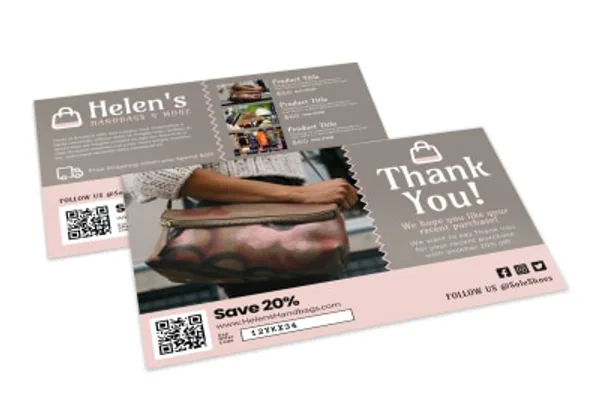
- Add a short thank-you card — it costs pennies and consistently improves customer sentiment and repeat purchase rates
- Use branded tissue paper or a simple colored mailer liner if your brand positioning supports it, without overcomplicating the process
- Never bury the main product under excessive filler material that makes the customer dig through packaging
The goal is a clean, fast reveal. Customers should find what they ordered immediately. A well-organized unboxing experience signals that the seller is professional and attentive — which directly supports positive reviews and repeat orders.
Prevent Common Shipping and Return Problems
Most packaging-related returns and complaints have predictable causes that are preventable at the packing stage. Sellers who review their damage and complaint data regularly find the same problems repeating — and can address them before they accumulate into meaningful losses.
Common Packaging Failure Points
- Weak tape seals: use pressure-sensitive packing tape, not masking tape or office tape; double-seal box flaps on heavy shipments
- Missing or smeared labels: print on matte label stock and protect the label with a clear tape overlay in humid or wet climates
- Shifting contents: any movement inside the box during transit is a damage risk; fill all void space completely
- Exposed corners: reinforce box corners with extra tape if your carrier handles packages roughly or if boxes travel long distances
- Moisture exposure: use inner poly bags for paper products, textiles, or anything moisture-sensitive before placing in the outer box
Track Your Damage Rate
Set up a simple log of customer complaints related to damaged packaging or products. If damage-related returns exceed one to two percent of shipments, your packaging process needs adjustment. This metric is more actionable than general return rates because it points directly to fixable decisions at the packing station.
Balance Sustainability With Practicality
Sustainable packaging is increasingly important to customers, but it must still protect products and keep costs manageable. The good news is that many eco-friendly options are now cost-competitive with traditional materials and often improve operational efficiency at the same time.
- Replace polystyrene peanuts with recycled kraft paper crinkle fill or honeycomb paper wrap
- Use corrugated cardboard boxes made from recycled content — widely available at comparable prices
- Choose paper-based tape over plastic tape where the product and transit conditions allow
- Avoid double-boxing when a single-layer package with good internal padding can protect the product
- Print brief recycling instructions on your packaging so customers know how to dispose of it correctly
Reducing excess packaging cuts material costs, decreases parcel size and weight, and often lowers shipping charges — making sustainability a financial and environmental benefit simultaneously.
Create a Repeatable Packing Process
Consistency is what separates sellers who scale from sellers who constantly deal with preventable packing errors. A repeatable, documented packing process ensures every order ships correctly, regardless of who is packing it or how busy the day gets.
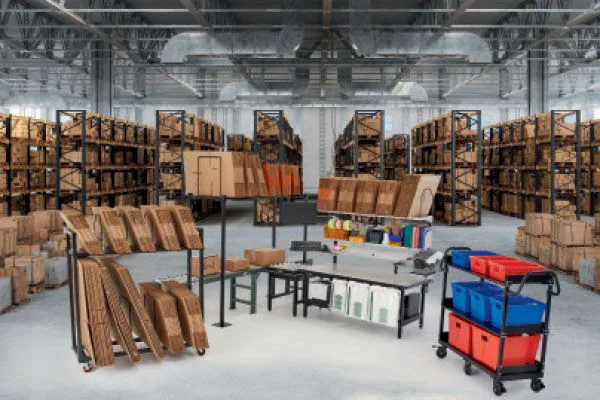
Organize Your Packing Station
- Label storage for each box size, mailer type, and protective material so the right option is always easy to locate
- Keep tape dispensers, scissors, and label printers within arm’s reach of the packing surface
- Store your most-used packaging supplies at the front; move rarely-used materials to secondary storage
Use a Simple Packing Checklist
Post a visible checklist near your packing station that every person packing orders follows consistently:
- Confirm order contents match the packing slip before sealing
- Select the correct package size for the product type
- Add appropriate protective cushioning and fill all void space
- Seal all box flaps with proper packing tape on every seam
- Attach the shipping label and verify the address is fully legible
- Check for any fragile, liquid, or special handling requirements before dispatch
Review your packing process monthly by checking damage complaint rates, carrier surcharges, and return reasons. Small adjustments at this stage compound into significant cost savings and improved customer satisfaction over time.
Smart Packaging Checklist for Sellers
Before sealing your next shipment, run through this quick reference to confirm the essentials are covered:
- Package type matches the product’s fragility, weight, and shape
- Box or mailer is right-sized to minimize dimensional weight charges
- Protective material fills all void space and the product does not shift
- All seams and flaps are sealed with proper packing tape
- Packing slip is included and the order details are accurate
- Shipping label is securely attached and protected from moisture
- Unboxing experience is clean and straightforward for the customer
- Packaging materials are as sustainable as the product and transit conditions allow
Good packaging is not a luxury — it is a cost center you can actively optimize and a customer experience touchpoint you can control. Sellers who treat packaging as part of their product quality, rather than an afterthought, build stronger reputations and spend less managing damage-related returns and complaints.
Start with your highest-volume or most-returned products, test your packaging changes with real shipments, and build a consistent process from there. The results — lower damage rates, reduced shipping costs, and better customer reviews — show up quickly once you treat packaging as a deliberate business decision.
