
Online shoppers decide whether to trust a store within seconds. Before they read a single product description, they form an impression based on how the site looks, how clearly it communicates, and how safe the buying process feels. If anything seems off — a broken link, a vague policy, a checkout page that looks unfamiliar — many visitors quietly leave and never come back.
The good news is that trust is something you can build deliberately. It is not only about visual polish; it also depends on whether your promises about shipping, refunds, reviews, and data handling are clear and honest. This guide walks through the practical, visible credibility signals that help an online store feel reliable, from the storefront design to the moment of purchase and everything that happens afterward.
Start With a Clean, Professional Storefront
First impressions matter more than most sellers realize. A storefront that loads quickly, looks consistent, and works smoothly on a phone tells shoppers that a real, active business stands behind it. A cluttered or outdated design has the opposite effect, even when the products are excellent.
Focus on Consistency and Readability
- Use consistent branding: keep colors, fonts, and logo placement uniform across every page.
- Choose readable typography: clear fonts and comfortable spacing reduce eye strain and confusion.
- Design for mobile first: most ecommerce traffic comes from phones, so test layouts on small screens.
- Fix the basics: remove broken links, missing images, and placeholder text that signal neglect.
Page speed is part of trust too. Slow-loading pages make a store feel fragile or unmaintained, while fast, stable pages reassure visitors that the business is well run.
Make Business Information Easy to Verify
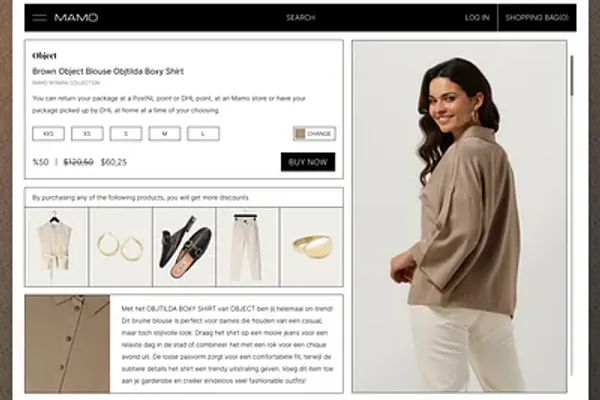
Shoppers feel safer buying from a store that does not hide who is behind it. Anonymous-looking sites raise doubts, especially for first-time visitors who have no prior experience with your brand.
Show That a Real Business Exists
- Display a clear business name and, where appropriate, a location or service area.
- Offer visible support channels such as email, a contact form, or chat.
- Set response expectations so customers know when to expect a reply.
- Write an About page that feels specific and human rather than generic filler.
Even small details — a genuine team photo, a short founding story, or a physical address — help visitors feel they are dealing with accountable people, not a faceless storefront.
Show Secure Checkout Signals Without Overpromising
Security concerns are one of the biggest reasons people abandon a purchase. Your job is to make the checkout feel safe and familiar while staying honest about what protections you actually provide.
Reassure Shoppers Honestly
- Use HTTPS across the entire site so browsers show a secure connection.
- Offer trusted, recognizable payment methods that customers already use.
- Keep checkout steps clear and predictable, with no surprise redirects.
- Add brief privacy reassurance near payment fields.
Payment security standards such as those published by the PCI Security Standards Council are widely used to protect cardholder data. Refer to security practices carefully and avoid implying you hold any specific certification unless that is genuinely true. Honest, cautious wording builds more trust than exaggerated claims.
Write Clear Shipping, Return, and Refund Policies
Confidence at the point of sale depends heavily on what happens if something goes wrong. Transparent policies tell shoppers you have nothing to hide and that you will stand behind your products.
Make Policies Findable and Fair
- State realistic delivery timelines and explain how you handle delays.
- Describe cancellation options and the steps to request one.
- Spell out refund terms in plain language, including any conditions.
- Link policy pages from the footer, product pages, and checkout.
U.S. guidance from the Federal Trade Commission on order fulfillment emphasizes clear shipping promises, prompt notice of delays, and honoring cancellation and refund commitments. Aligning your policies with that standard is good for both compliance and customer confidence.
Use Customer Reviews Honestly
Reviews are powerful social proof, but only when shoppers believe they are genuine. Manipulated or misleading reviews can backfire badly and damage trust permanently if discovered.
Build Credible Social Proof
- Display real reviews, including a healthy mix of positive and critical feedback.
- Clearly label incentivized or sponsored reviews when they appear.
- Never post fake reviews or selectively hide honest negative ones in a misleading way.
- Respond to criticism calmly and professionally to show you care.
Both the FTC and the UK Competition and Markets Authority have published guidance warning against deceptive review practices and fake reviews. Following honest review standards protects your reputation and reassures shoppers that what they read reflects real experiences.
Strengthen Product Pages With Specific Proof
Detailed, accurate product pages reduce uncertainty and signal that you understand what you are selling. Vague listings make shoppers wonder whether the product will match expectations.
Give Buyers the Details They Need
- Use clear, accurate photos that show the product from multiple angles.
- Include dimensions, materials, and compatibility details where relevant.
- Add a short FAQ to answer common pre-purchase questions.
- Show realistic stock status and delivery or availability information.
Specific, honest details prevent disappointment and returns, and they communicate that you respect the customer’s decision.
Reduce Risk at the Moment of Purchase
The final steps before payment are where hesitation peaks. Removing surprises here protects conversions and reinforces trust built earlier.
Eliminate Surprises Near Checkout
- Show the total cost clearly, including taxes and shipping, before the final step.
- List accepted payment methods so customers know their options.
- Add a brief return reminder and a visible support link.
- Avoid hidden fees that appear only at the last moment.
Unexpected charges are a leading cause of abandoned carts. Total-cost clarity is one of the simplest, highest-impact trust improvements you can make.
Protect Customer Data and Explain It Simply
How you handle personal information directly affects whether shoppers feel safe creating accounts or sharing payment details. Clear, plain-English communication about data goes a long way.
Handle Information Responsibly
- Keep a visible, readable privacy policy rather than dense legal text only.
- Collect only the data you genuinely need to complete orders.
- Support secure account basics like safe password resets.
- Explain in simple terms how customer information is used and protected.
The FTC’s guidance on protecting personal information encourages businesses to limit data collection, secure what they keep, and be transparent with customers. Treating data carefully is both a legal best practice and a meaningful trust signal.
Build Trust After the Sale
Trust does not end at checkout. The post-purchase experience determines whether a first-time buyer becomes a loyal, repeat customer who recommends you to others.
Communicate Reliably After Purchase
- Send prompt order confirmations with a clear summary.
- Provide tracking updates so customers can follow their shipment.
- Notify buyers proactively about any delays before they have to ask.
- Make support easy to reach and consistent in tone.
Reliable follow-through turns a single transaction into an ongoing relationship and generates the kind of word-of-mouth that no advertisement can buy.
Quick Trust Checklist for Store Owners
Before you promote your store, run through this short audit. Each item targets a high-impact area covered above:
- Does the site load fast and work well on mobile?
- Are your business name, contact details, and About page easy to find?
- Is checkout served over HTTPS with familiar payment options?
- Are shipping, return, and refund policies clear and accessible?
- Are your reviews genuine, with incentives labeled honestly?
- Do product pages include accurate photos and specific details?
- Is the total cost visible before the final payment step?
- Is your privacy policy readable and your data handling minimal?
- Do customers receive confirmations, tracking, and proactive updates?
Conclusion
Making your online store look more trustworthy is not about a single trick or a flashy badge. It is the result of many small, honest decisions that together tell shoppers, “You can buy here with confidence.” A clean storefront, verifiable business information, secure and transparent checkout, fair policies, genuine reviews, and reliable post-purchase communication all reinforce one another.
Start with the fixes that remove doubt at the moment of purchase, then steadily improve the surrounding signals. As your store earns trust, you will see it reflected in higher conversions, fewer abandoned carts, and more repeat customers who feel safe coming back — and bringing others with them.
Official references
- FTC – Protecting Personal Information: A Guide for Business – Anchors guidance on privacy and data security practices that help shoppers trust checkout, account, and customer-data handling.
- FTC – Business Guide to the Mail, Internet, or Telephone Order Merchandise Rule – Useful for claims about clear shipping promises, delay notices, cancellations, and refunds for online orders.
- FTC – Soliciting and Paying for Online Reviews: A Guide for Marketers – Primary guidance for using customer reviews honestly and avoiding deceptive review practices.
- UK Competition and Markets Authority – Fake Reviews – Official guidance on how businesses that publish reviews should comply with consumer protection law.
- PCI Security Standards Council – Standards – Primary source for payment card security standards, relevant to secure checkout and payment trust signals.
