

Starting an online store feels exciting — products are ready, the website is live, and the first sale seems just around the corner. But many new sellers discover quickly that having a good product is not enough. Without understanding common setup mistakes, even well-intentioned stores struggle to gain traction, build trust, or turn visitors into buyers.
The good news is that most early mistakes are avoidable. Knowing what to watch out for before you hit publish can save you months of frustration and wasted money. This guide walks through the most common mistakes new online sellers make — and what to do instead to build a store that earns trust and converts from day one.
Starting Without a Clear Niche or Buyer
One of the first mistakes new sellers make is trying to appeal to everyone. Selling a mix of unrelated products without a defined target customer makes it harder to choose products, write focused copy, or run effective promotions. When you do not know who you are selling to, you end up speaking to no one.
Before listing products, take time to define your ideal buyer. Consider their age, interests, budget, and what problem your products solve for them. A focused niche makes product selection clearer, helps your brand stand out, and makes your marketing far more efficient over time.
- Choose a niche with consistent demand, not just trending hype
- Build your product selection around a specific buyer profile
- Use your niche to guide store design, tone, and content
Choosing Products Without Checking Demand and Margins
Picking products you personally love without validating market demand is a costly mistake. A product might look great to you but carry too much competition, too thin a margin, or too high a shipping cost to ever be profitable.
Before adding any product to your store, research demand using tools like Google Trends or marketplace search data. Calculate your total costs — including product price, shipping, platform fees, and packaging — before setting a sale price. If the numbers do not work, move on to a better option.
Questions to Ask Before Adding a Product
- Is there clear and consistent demand for this item?
- How many competitors are already selling it, and at what price?
- What is the realistic profit margin after all costs and fees?
- Is it easy to ship without damage or high return rates?
Writing Weak Product Listings That Do Not Build Trust
Many new sellers underestimate how much listing quality affects conversions. Thin descriptions, vague titles, and missing details leave shoppers uncertain — and uncertain shoppers do not buy. Your product page is your only salesperson, and it needs to close the deal without you being present.
A strong product listing includes a clear, keyword-rich title; a description covering dimensions, materials, use cases, and key benefits; and answers to common buyer questions before they are even asked. Bullet points help scanners quickly find the details they need to make a decision.
Elements of a Strong Product Listing
- Title: Clear, specific, and includes key search terms
- Description: Covers features, benefits, size, and material in plain language
- Bullet highlights: Easy-to-scan selling points near the top
- FAQ or extra detail: Addresses common concerns before checkout
Using Low-Quality Images and Inconsistent Branding

Shoppers cannot touch or try your products before buying — your images do all the work. Blurry photos, poor lighting, or cluttered backgrounds damage trust instantly. Inconsistent fonts, colors, and store design make your brand look unpolished and reduce the chance that first-time visitors return.
You do not need a professional studio to take better photos. Use natural light, a clean background, and multiple angles. Show the product in use wherever possible. For branding, choose two or three consistent colors and fonts and apply them across your store, social profiles, and packaging inserts.
Pricing Too Low or Too High Without a Strategy
New sellers often underprice thinking it will drive sales, but underpricing reduces perceived value and makes it impossible to cover costs long term. Overpricing without clear justification sends buyers to competitors. Both extremes hurt growth.
Build your price from the bottom up: start with total landed cost, add a target profit margin, then compare with similar products on the market. If your price is higher than average, make sure your listing communicates why — better materials, a warranty, or premium packaging can all justify the difference.
Common Pricing Mistakes to Avoid
- Forgetting to include platform fees or payment processing charges in cost calculations
- Offering deep discounts that train buyers to wait for sales rather than buying at full price
- Copying a competitor’s price without knowing their cost structure or supplier terms
- Never testing different price points to find what converts best for your audience
Ignoring Shipping, Returns, and Customer Service Expectations
Unclear shipping timelines, missing return policies, and slow responses to customer questions are among the top reasons new online sellers receive negative reviews. Shoppers expect transparency before they buy, not after a problem arises.
Set realistic shipping estimates and display them prominently on product pages and at checkout. Write a simple, fair return policy and make it easy to find. Aim to respond to customer messages within 24 hours — even a brief acknowledgment keeps buyers patient and signals that your store is reliable.
Depending on One Traffic Source and Skipping Basic Marketing
Relying entirely on paid ads, a single marketplace, or one social media platform is a risky foundation. If that source shifts its algorithm or raises costs, your sales can drop overnight. New sellers who skip building diverse traffic sources are exposed to exactly this kind of disruption.
Start building an email list from day one, even before you have many customers. Add basic on-page SEO to your product titles and descriptions so they surface in search results over time. Engage at least two to three channels — organic content, email, and one paid or marketplace source — to reduce dependence on any single stream.
Failing to Track Data and Improve Over Time
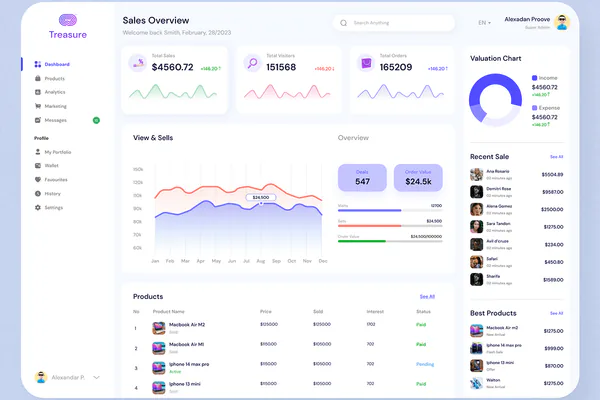
Running a store without monitoring your data is like driving without a dashboard. New sellers often focus so heavily on launching that they never set up the tools needed to understand what is working and what is not.
At minimum, track your store traffic, conversion rate, product page bounce rate, and which items sell best. Review abandoned cart reports and use them to improve follow-up emails or tweak listing pages. Small data-informed changes, made consistently, compound into significant improvements over months.
Key Metrics Every New Seller Should Monitor
- Conversion rate: visitors who buy versus total visitors
- Average order value and repeat purchase rate
- Return and refund rate by product
- Top traffic sources and which ones actually convert
- Best-selling and slow-moving products by margin, not just volume
Build Smart Habits From the Start
Every experienced online seller has made these mistakes at some point. The difference between those who grow and those who give up is whether they recognize the patterns early and adjust. By understanding the most common pitfalls before they happen, you give your store a much stronger foundation.
Start with a focused niche, validate your products carefully, build quality listings, price strategically, and treat every customer interaction as a chance to build loyalty. As your store grows, let the data guide your next move. These habits cost nothing but attention — and they are what separate a store that survives from one that genuinely thrives.
