
Starting an online business has never been more accessible. Whether you want to sell handmade crafts, source wholesale products, or offer digital downloads, the infrastructure for online commerce is already in place — and most of it is beginner-friendly. What separates sellers who launch successfully from those who stay stuck in the planning phase is a clear, ordered approach to getting started.
This guide walks you through every step of launching your first online store, from choosing what to sell to landing your first paying customer. You do not need a large budget or technical expertise to follow along. What you do need is a realistic plan and the willingness to make your first move. The steps here are designed to reduce costly mistakes and help you build momentum from day one.
Choose What You Will Sell

The first decision every new seller faces is product selection. This step matters more than most people realize because the right product makes everything else — pricing, marketing, shipping — significantly easier. Start by thinking in four broad categories: handmade goods, sourced or wholesale products, digital products, and reselling.
Validate Demand Before You Commit
Before investing money in inventory or tools, confirm that people are already buying what you plan to sell. Use free tools like Google Trends to see search interest over time. Browse bestseller lists on platforms like Amazon, Etsy, and eBay to spot categories with consistent demand. If competitors are selling similar products and have hundreds of reviews, that is a strong signal that real demand exists.
The best products for beginners solve a specific problem, satisfy a clear desire, or save time. Products that are easy to describe, photograph, and ship tend to perform better early on. Avoid fragile, heavily regulated, or long-lead-time items until you have more experience under your belt.
Start With One Product, Not Many
A common beginner mistake is launching with a large catalog before understanding what resonates with buyers. Start with one to three products, learn what works, read customer feedback, and expand from there. Focus beats breadth when you are still learning the process.
Define Your Target Customer
Knowing who you are selling to shapes every other decision in your business. A product aimed at college students has a very different price point, visual style, and marketing channel than one aimed at small business owners or new parents. Defining your target customer is not about limiting your audience — it is about making your message clear and your product easier to find by the right people.
Build a Simple Customer Profile
You do not need advanced research tools to build a useful customer profile. Start by answering these questions:
- Who is most likely to buy this product?
- What problem does it solve for them?
- What is their typical budget for this type of purchase?
- Where do they currently discover and buy products like this?
- What objections might stop them from completing a purchase?
Even a rough profile helps you write better product descriptions, choose the right platform, and create content that speaks directly to real buyers rather than trying to appeal to everyone at once.
Pick the Right Selling Channel
One of the most important choices you will make is where to sell. The three main options for beginners are online marketplaces, social commerce platforms, and standalone online stores. Each comes with different trade-offs in cost, control, and built-in traffic.
Online Marketplaces
Platforms like Amazon, Etsy, and eBay give you immediate access to an existing audience of buyers who are already searching and spending. This lowers the barrier to your first sale considerably. The trade-off is competition and fees — marketplaces charge listing fees, transaction fees, or monthly subscriptions, and you share the platform with thousands of other sellers. For handmade or craft goods, Etsy is a natural fit. For new or wholesale products, Amazon or eBay may serve you better.
Social Commerce
Instagram, TikTok Shop, and Facebook Marketplace let you sell directly through social platforms where your potential buyers already spend time. Social commerce works especially well for visually appealing products and sellers who enjoy creating short-form content. Discovery potential is high, but consistent results require a steady commitment to content creation.
Standalone Online Store
Building your own store using platforms like Shopify or WooCommerce gives you full control over your brand, pricing, and customer data. You keep more of each sale without marketplace fees reducing your margins. The downside is that you are entirely responsible for driving your own traffic — there is no built-in audience waiting to find you. For most beginners, the smartest approach is to start on a marketplace or social platform to earn early sales and real feedback, then build a standalone store once you know what sells and who your buyer is.
Build a Simple Offer That Converts

A great product will not sell itself if the listing is unclear, unattractive, or untrustworthy. How you present your product often determines whether a visitor buys or leaves. The following elements make a product listing easy to buy from, even for a brand-new seller.
Write Descriptions That Focus on Benefits
Most beginners write product descriptions that list features — dimensions, materials, colors. Buyers care more about benefits — how the product makes their life easier, better, or more enjoyable. Lead with the benefit, then follow with the feature. Instead of “made from 100% cotton,” write “soft enough for all-day wear, made from 100% breathable cotton.” Keep descriptions scannable using short paragraphs and bullet points for key details, since buyers skim before they read.
Use Clear, Well-Lit Product Photos
Photography is one of the highest-leverage investments a new seller can make. You do not need a professional photographer — a smartphone, natural light, and a clean background can produce excellent results. Capture multiple angles: front, side, detail close-up, and a lifestyle shot showing the product in use. Buyers want to see exactly what they are purchasing before they commit.
Price With Purpose
Pricing is part of your offer. Too low and buyers question quality. Too high without clear justification and you lose the sale. Research competitor pricing in your category and position yourself thoughtfully. Factor in all your costs — product cost, platform fees, shipping, and packaging — and set a price that covers expenses, leaves a healthy margin, and feels fair to your target buyer.
Set Up Payments, Shipping, and Policies
Before your store goes live, the operational infrastructure needs to be in place. These details directly affect customer trust and your ability to fulfill orders without issues.
Accept Payments Safely
Use payment processors that buyers recognize and trust. PayPal, Stripe, and platform-native checkout options such as Shopify Payments or Etsy Payments are standard, reliable choices. Avoid requesting bank transfers or unconventional payment methods, as these create friction and raise buyer suspicion. Make sure your checkout experience is fast, straightforward, and mobile-friendly — a complicated payment process is one of the top reasons buyers abandon carts.
Define Your Shipping Strategy
Decide on these key shipping questions before launch:
- Carrier and service level: Will you use standard postal services, a courier, or platform fulfillment?
- Free vs. calculated shipping: Free shipping boosts conversions but must be priced into your product cost.
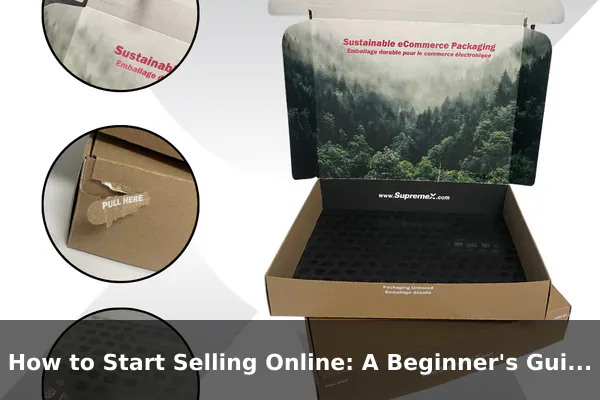
- Packaging: Protect products adequately and brand your packaging when budget allows.
- Delivery timeframes: Be honest about lead times. Underpromise and overdeliver every time.
Write Clear Policies
Every store needs clear, easy-to-find policies covering returns, refunds, and exchanges. A fair, plain-language policy reduces buyer hesitation and prevents misunderstandings after a sale. Buyers are significantly more likely to purchase when they feel confident that any problem will be resolved fairly and without drama.
Create Your Store or Product Listings
With your product, customer profile, channel, and operations ready, it is time to build your presence. Whether you are creating a standalone store page or a marketplace listing, these fundamentals apply across every platform.
Must-Have Elements for Every Listing
- Clear product title: Include the product name and its main benefit or use case. Write for buyers first, not search algorithms.
- High-quality images: At least three to five photos covering all angles and real-use context.
- Benefit-led description: Features matter, but always lead with what the buyer gains.
- Price and availability: Clearly stated with no surprise costs revealed at checkout.
- Shipping and delivery estimate: Displayed before the buyer reaches payment.
- Return and refund policy: Summarized in the listing with a link to full details.
Optimize for Mobile Shoppers
More than half of all online shopping happens on mobile devices. Before publishing any listing or store page, view it on your phone. Check that images load quickly, text is readable without zooming, and the buy button is easy to tap. A poor mobile experience costs you buyers before they ever reach checkout.
Apply Basic SEO Principles
On both marketplaces and search engines, the words in your listing title and description determine how easily buyers can find you. Use the specific terms buyers actually search for — not just generic descriptions. Think about the exact phrase someone would type when looking for your product, and incorporate those terms naturally in your title and the opening lines of your description.
Get Your First Customers
A live store with no visitors is not a business — it is a page waiting to become one. Getting your first customers requires deliberate, proactive effort, especially when you have no advertising budget or established audience to draw from.
Start With Your Existing Network
Your first sales are most likely to come from people who already know and trust you. Share your store with friends, family, and colleagues. Ask for honest feedback, not just purchases. Even a small personal network can generate initial reviews and social proof that makes it easier to convert complete strangers later on.
Use Short-Form Social Content
Short videos on TikTok, Instagram Reels, and YouTube Shorts are among the most effective free traffic sources available to new sellers today. You do not need to go viral — you need to reach people who are actively interested in what you sell. Share how your product is made, demonstrate it in use, or tell the story behind why you started. Authenticity outperforms polish for beginners.
Capture Emails From Day One
An email list is one of the most valuable assets an online seller can build. Unlike social media followers, email subscribers are a direct line to buyers that no platform algorithm can cut off. Offer a small discount or bonus resource in exchange for signing up. Even a list of 50 engaged subscribers is more valuable than 500 passive social followers who never buy.
Track Results and Improve What Matters
Launching your store is not the finish line — it is the starting point for learning what actually works. Sellers who pay attention to early data make better decisions faster and avoid pouring time into tactics that produce no real results.
The Metrics That Matter Early On
- Conversion rate: What percentage of visitors are buying? A low rate signals a problem with your listing, pricing, or trust signals.
- Traffic source: Where are visitors coming from? Double down on channels that bring real buyers, not just passive clicks.
- Cart abandonment: Are buyers adding products and leaving without purchasing? Examine your checkout flow, shipping costs, and payment options.
- Return rate: High returns signal a mismatch between your product description and the buyer’s actual experience.
Test Small, Learn Fast
You do not need a large data set to start learning. Change one element at a time — a photo, a headline, a price point — and observe what happens over a week or two. Small iterative tests accumulate into significant improvements over months. Sellers who test consistently outperform those who treat their listing as finished from day one.
When to Expand Your Business
Resist the temptation to add new products or move to new platforms before your current setup is working. Expansion is the reward for a process that reliably converts visitors into buyers and delivers a consistently good experience. When your first product generates regular sales, accurate fulfillment, and positive reviews, that is the signal to scale up with confidence.
Conclusion
Starting to sell online does not require perfection — it requires action. The most successful online sellers are not the ones who planned the longest; they are the ones who started, learned from real buyers, and kept improving. Every step in this guide is designed to reduce the overwhelm that stops most beginners from ever launching at all.
Pick your product, define your customer, choose a platform, build a clear listing, set up your operations, and then focus on reaching the people most likely to buy. Treat your first weeks as a learning phase, not a final exam. With the right foundation and a genuine willingness to adapt, your first sale is much closer than you think.
