

Running an online store already fills your schedule with orders, inventory, shipping, and customer messages. Adding content creation on top feels like one task too many. Yet the sellers who publish consistently, even short and simple content, tend to outperform those who go quiet between major campaigns.
The mistake most busy sellers make is waiting for a big idea before they post anything. In reality, your daily store operations are full of ready-made content opportunities you are probably overlooking. This article gives you a practical set of fresh content ideas for busy online sellers, organized so you can act on them quickly without clearing your whole afternoon.
Why Simple Content Wins for Busy Sellers
Many store owners believe good content requires professional photography, long blog posts, and carefully scripted videos. That thinking keeps content calendars permanently empty. In ecommerce, consistency and relevance matter more than production value.
A short caption that answers a common sizing question reaches a ready-to-buy shopper faster than a polished brand film posted once a quarter. When you publish regularly, search engines index your store more often, email subscribers stay warm, and social algorithms keep your posts in front of followers. None of this requires a marketing team or a big budget.
The Connection Between Content Frequency and Sales
- Stores that publish fresh content at least three times a week attract more organic traffic than those that post once a month.
- Email campaigns sent to a regularly-contacted list convert better than cold re-engagement blasts sent after weeks of silence.
- Shoppers who encounter a product across multiple formats, such as a blog post, an email, and a social caption, are more likely to trust the seller and complete a purchase.
The goal is not volume for its own sake. It is useful frequency: publishing helpful, product-relevant content that moves shoppers one step closer to a buying decision. Every idea below is built around that principle.
Turn Product Questions Into Fast Content

Your customer inbox and product review section are content goldmines. Every question a buyer asks, whether about size, care instructions, compatibility, delivery timing, or return policy, represents dozens of shoppers who had the same question and never asked it. They simply left your store and bought elsewhere.
Turn those questions into content and you solve two problems at once: you reduce repetitive support requests and you give hesitant shoppers the answers they need to convert.
Quick Content Formats Built From Customer Questions
- FAQ blog post: Group five to ten common questions about a product category into a single searchable post.
- Social caption: Take one question and write a direct two-sentence answer as a standalone post. End with a soft call to action such as “DM us anytime.”
- Email snippet: Add a short “Did you know?” section to your next newsletter using a real customer question as the hook.
- Product page update: Add an FAQ accordion or a short explanatory paragraph to your listing using the exact language your customers use.
- Short video: Record a 30-second clip answering one question while holding the product in your hands.
The strength of this approach is that you never run out of material. New questions arrive every week, and each one is proof that buyers are actively looking for that specific piece of information before they decide to buy.
Use Your Products in Real-Life Scenarios
Shoppers buy outcomes, not objects. When a buyer sees your product placed in a context that mirrors their own life, the purchase decision becomes far easier. Content built around real-life use cases bridges the gap between “nice product” and “I need this right now.”
Scenario-Based Content Ideas to Try
- Problem-solution post: Frame the content around a specific frustration your product fixes. Lead with the problem, then introduce the product as the resolution.
- Seasonal use case: Show how the same product fits summer travel, back-to-school prep, or holiday gifting in separate posts throughout the year.
- Gift guide placement: Feature your product inside a curated gift list for a specific occasion or recipient type such as “gifts for new homeowners” or “ideas for the traveler who has everything.”
- Bundle suggestion: Create content around two or three of your products used together to solve a larger problem or complete a specific routine.
- Day-in-the-life format: Walk through a realistic daily routine where your product appears naturally, rather than positioning it as the sole subject of the post.
This type of content works especially well on image-driven platforms where lifestyle visuals drive saves, shares, and click-throughs back to your product listings.
Create Trust-Building Content From Customer Proof
One of the most valuable content assets a seller has is also the most underused: existing customer feedback. Reviews, repeat orders, and buyer photos do more persuasive work than any promotional copy you write yourself because they come from a source shoppers already trust, other real people.
Ways to Repurpose Customer Proof Into Content
- Screenshot and share a detailed review as a social post. Add a short personal comment from your side to make it feel like a conversation rather than a repost.
- Write a mini case study around a repeat buyer. A simple story about why a customer keeps coming back is more convincing than any sale announcement.
- Compile a review roundup for your blog, such as “What Real Buyers Say About Our [Product Name].” This works well for SEO and gives hesitant shoppers a concentrated dose of social proof.
- Borrow language from reviews for email subject lines. If a buyer wrote “I used to struggle with this, now I don’t,” that sentence is ready-made persuasive copy.
- Feature user-generated photos in product listings and stories. Shoppers trust images from real buyers more than studio photography because they show authentic, unedited results.
Turning customer proof into content is not just efficient, it is also ethically persuasive. You are sharing documented real experiences rather than making claims that cannot be verified.
Build a Reusable Weekly Content System
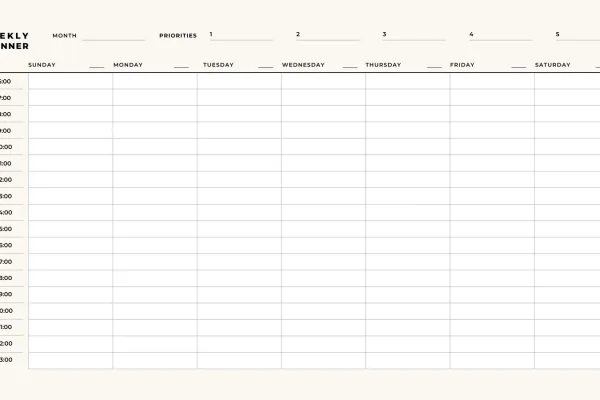
The most time-efficient content approach for busy sellers is not to create individual pieces from scratch each day. It is to build a repurposing system where one core piece of content becomes several smaller pieces distributed across different channels in the same week.
The One-to-Many Content Workflow
Start each week with one product update, new arrival, or insight. From that single starting point, produce the following without generating any new ideas:
- One short blog post or product story at 300 to 500 words, not a full essay
- One email to your subscriber list featuring the same product or topic with a direct link
- Two or three social captions using different angles: benefit-focused, question-based, or built around customer proof
- One small product page update: add a sentence, refresh a bullet point, or swap in a new photo
That is four to five pieces of content from one idea, produced in under an hour when you work from a consistent template. Over a month, you publish steadily without starting from zero every single time.
Batch Your Content on One Dedicated Day
Rather than creating content daily, block one session per week to batch your output. Write all captions, draft the email, and update the listing together in a single focused work period. Consistency becomes a system rather than a daily habit that depends on motivation you may not always have.
Content Formats That Save Time and Still Sell
Not all content formats are equal in effort or return. For busy sellers, the best formats combine low creation time with high shopper relevance. The following formats consistently deliver both without requiring design software or a camera crew.
High-Efficiency Content Formats for Ecommerce Sellers
- Checklists: A list like “Everything You Need for a Weekend Camping Trip” can feature your relevant products naturally. Easy to write and highly shareable on social platforms.
- Restock announcements: A simple update that a popular item is available again requires almost no creative effort but generates strong urgency among existing fans of that product.
- Comparison posts: “Which of Our Three [Product Type] Is Right for You?” This format replaces repetitive customer questions and helps buyers self-select the correct product before they even contact you.
- How-to snippets: Short step-by-step instructions for using, cleaning, storing, or getting the most from a product. These perform well in both search and email.
- Curated roundups: “Our Five Best-Sellers This Month” or “Top Picks for [Occasion]” give existing products a fresh spotlight without adding any new inventory.
- Behind-the-scenes posts: A photo of your packing station, incoming stock, or a supplier visit builds personal connection with zero graphic design required.
Each of these formats can be produced in 15 to 30 minutes, making them realistic for sellers who cannot block off half a day for content work every week.
Avoid Content That Looks Busy but Does Nothing
Publishing frequently is only valuable when the content serves your shopper. Certain common content habits feel productive but deliver no measurable result, and over time they quietly erode the credibility you have worked hard to build.
Content Patterns Worth Dropping
- Generic motivational quotes: Unless they directly connect to your product or your buyer’s specific daily life, they add no value to your store’s authority in search or social.
- Trend-chasing without relevance: Jumping on every viral format just to post something looks forced when it does not match your product or tone. Your regular audience notices the disconnect.
- Overpromotion: Publishing nothing but discount codes and sale banners trains your audience to wait for the next deal instead of buying at full price. Mix promotional content with genuinely helpful pieces.
- Content with no clear next step: Every piece should leave the reader with a reason to act, whether that means clicking a link, saving the post, replying to an email, or visiting your store. If your content does not have a purpose, revise the ending before it goes live.
Useful ecommerce content has a job: to inform, to reassure, or to convert. Apply that standard to everything you publish and each piece earns its place in your schedule.
A 30-Day Content Idea Starter List
The following prompts give you a full month of material without any brainstorming. Adapt each one to your product category and publish at a pace that fits your week.
- Introduce your best-selling product with three reasons real buyers love it.
- Answer the most common question that arrived in your inbox this week.
- Share a customer review and add a short personal response.
- Post a how-to guide for a product that often confuses new buyers.
- Create a bundle suggestion combining two or three complementary products.
- Share a care and maintenance tip for one product in your range.
- Post a behind-the-scenes photo of your packing or storage area.
- Announce that a previously sold-out item is back in stock.
- Write a short comparison between two similar products you carry.
- Highlight a seasonal use case for something already in your store.
- Feature a lesser-known product that loyal customers discover over time.
- Share a size, fit, or capacity guide in list or visual format.
- Post a “what our customers say” collection of three short quotes.
- Write a checklist for a specific occasion that features your products naturally.
- Explain your shipping policy in a friendly, plain-language format.
- Share a “did you know” fact about a material, ingredient, or process you use.
- Post a day-in-the-life scenario where your product solves a small everyday problem.
- Introduce a new arrival with a short story about why you chose to stock it.
- Create a “frequently bought together” suggestion post around two popular items.
- Share one thing that makes your store different from large retail competitors.
- Post a gift guide for a specific recipient type relevant to your niche.
- Write a before-and-after story using actual language lifted from a real review.
- Highlight your packaging or an unboxing moment if it is a point of pride.
- Explain how to reach you and what your typical response time looks like.
- Post a “most asked questions” compilation pulled from the past month of messages.
- Highlight a product that works across multiple seasons or occasions without modification.
- Share a short supplier or sourcing story behind one of your products.
- Create a beginner starter kit suggestion using three to five of your products.
- Post a “what to look for when buying this type of product” educational piece.
- Wrap up the month with a roundup of your most viewed or best-selling items.
You do not need to use every prompt in order. Pick the ones that fit your current inventory and audience, and return to the list whenever you feel stuck. Over time you will also build your own variations based on what performs best in your store.
Content does not have to be elaborate to be effective. The best content strategy for a busy online seller is one that is simple enough to maintain, specific enough to be useful, and consistent enough to build trust over time. Start with the formats and ideas in this article, find the rhythm that fits your weekly schedule, and publish something helpful every week. That habit, more than any single campaign or viral moment, is what keeps your store visible, credible, and growing steadily.
