
Customer complaints are one of the most sensitive parts of running an online business. A shopper who reaches out with a problem is usually not starting from a neutral place. Their package may be late, an item may have arrived damaged, or they may feel ignored after waiting for a reply. In ecommerce, where buyers cannot walk into a store and speak face to face, frustration can rise fast. That is why knowing how to handle customer complaints calmly and politely is not just a service skill. It is a trust-saving business skill.
Many sellers make the mistake of treating complaints as interruptions, personal attacks, or proof that something has gone wrong beyond repair. In reality, a complaint is often a final request for help before a customer gives up, leaves a bad review, or requests a chargeback. A thoughtful response can turn an unhappy moment into a positive impression. Even when the problem itself cannot be undone, the way you respond can still influence whether the customer feels respected and treated fairly.
This guide explains how to handle customer complaints calmly and politely in practical ecommerce situations. You will learn why complaints escalate so quickly online, how to slow a tense conversation down, what polite phrases reduce pressure, how to respond when a customer is angry, and how to build a support process that prevents the same issues from happening again. The goal is simple: solve the problem without losing your professionalism, your judgment, or your customer's trust.
Why Customer Complaints Escalate So Quickly Online
Complaints tend to escalate faster in ecommerce than in many offline settings because the customer is dealing with distance, uncertainty, and delay all at once. They cannot look at the item in person before buying. They cannot see what is happening in your warehouse. They cannot tell from your silence whether you are researching the issue or ignoring them. When money has already been paid, even a small problem can feel bigger than it is.
Common Ecommerce Triggers
Most complaints are not random. They usually come from a short list of repeat situations:
- Delayed shipping that creates anxiety, especially around gifts, urgent needs, or promised delivery dates.
- Damaged items that make the buyer feel they paid for something below standard.
- Wrong orders that force the customer to spend more time fixing a mistake they did not make.
- Refund friction when return terms are unclear, slow, or stricter than the customer expected.
- Slow replies that make the buyer feel invisible or unimportant.
These triggers are common, but the emotional response behind them varies. One customer may be mildly annoyed. Another may be dealing with a deadline, a budget issue, or a repeated bad experience with other stores. That is why the same problem can produce very different tones.
Why Tone Matters From the First Reply
When a customer is upset, they read your message for more than facts. They are also scanning for attitude. A short reply that looks efficient to you may sound cold to them. A defensive explanation may feel like blame. A copied response may make them think nobody actually read their complaint. In the early stage of a complaint, tone often determines whether the conversation moves toward cooperation or conflict.
Learning how to handle customer complaints calmly and politely means recognizing that the first reply is not only about solving the issue. It is about stabilizing the interaction so a solution can be accepted.
Start by Slowing the Conversation Down

The first rule in complaint handling is simple: do not answer in the emotional speed of the customer. If a message sounds angry, rushed, or unfair, the wrong move is to match that energy. Calm handling starts with creating a little distance between reading the complaint and sending your reply.
Read for Facts and Emotion
Before typing anything, read the complaint all the way through. Then identify two things separately: what happened and how the customer feels about it. A buyer might say their order arrived late, but the real emotional point may be that it missed a birthday. Another customer may complain about a damaged item, but what they really want is reassurance that they will not be stuck paying twice.
This distinction helps you avoid a common mistake: solving only the technical issue while ignoring the human frustration around it.
Pause Before You Reply
If the complaint feels aggressive, take a brief pause. Even thirty seconds can help. Re-read the message, check the order details, and remove any urge to defend yourself immediately. Calmness is easier to maintain when you have facts in front of you.
A useful habit is to ask yourself three quick questions before replying:
- What exactly is the problem?
- What would the customer most likely see as a fair next step?
- Does my draft sound respectful if I were the one receiving it?
That pause protects your judgment. It also reduces the risk of sending a message you later need to correct.
Acknowledge Before Explaining
Many sellers explain too soon. They jump into shipping details, policy rules, or warehouse delays before acknowledging the customer's frustration. That order often makes the reply feel self-protective. A better sequence is to acknowledge first, then explain, then solve. People are more willing to hear context after they feel heard.
Use a Simple Calm Response Framework
If you want a dependable way to handle complaints, use a repeatable structure instead of writing from emotion each time. A good complaint response should make the customer feel understood, informed, and guided toward a clear outcome.
The Six-Step Response Method
- Acknowledge the issue. Show that you understand what went wrong. Keep this direct and specific.
- Recognize the impact. Mention the inconvenience, disappointment, or delay the customer experienced.
- Apologize when appropriate. If your store made the mistake, say so plainly. If the cause is external, you can still apologize for the experience.
- Confirm the facts. Reference the order number, product, shipment status, or timeline so the customer knows you checked the case.
- Offer a clear solution or options. Explain what you can do next, not just what happened.
- State the next action and timing. Tell the customer what will happen now and when they can expect an update.
What This Looks Like in Practice
Imagine a customer receives the wrong item. A weak reply might say that the warehouse made an error and ask the customer to wait. A stronger reply would sound more like this in structure: you acknowledge the wrong item, recognize the inconvenience, apologize for the mistake, confirm the order details, offer a replacement or refund path, and give a realistic timeline for the next update.
The strength of this method is that it keeps you from skipping important parts of the interaction. Many complaints continue because the customer has to ask follow-up questions such as Did they understand my problem?, What happens next?, or How long will this take? A calm framework answers those questions before the customer needs to chase you.
When to Apologize and When to Be Precise
Some teams worry that apologizing too quickly creates liability. In ordinary ecommerce support, that fear is usually overblown. A sincere apology is often the fastest way to reduce tension. The key is to avoid vague, empty apologies. Instead of writing a flat line such as Sorry for the inconvenience, connect the apology to the actual issue: late delivery, damaged packaging, incorrect quantity, or a delayed reply.
At the same time, politeness should not become vagueness. Customers feel calmer when the message is both kind and specific. Respectful clarity is more effective than warm but unclear wording.
Polite Phrases That De-Escalate Tension
The words you choose can either lower the emotional temperature or push it higher. Polite language works best when it sounds natural, not robotic. Your goal is not to sound overly formal. Your goal is to sound attentive, respectful, and solution-focused.
Useful Phrases for Acknowledging the Complaint
- I understand why this would be frustrating.
- Thank you for pointing this out. I have reviewed the issue.
- I'm sorry this order did not arrive in the condition you expected.
- I can see why this situation is disappointing, especially after waiting for delivery.
- I appreciate you reaching out so we can fix this properly.
These phrases work because they validate the customer's experience without sounding dramatic or scripted.
Useful Phrases for Moving Toward a Solution
- Here is what I can do next to help.
- I have checked your order details, and the best next step is the following.
- You have two options, and I'll explain both clearly below.
- I want to make this as simple as possible for you.
- I will update you again by tomorrow once this has been processed.
These phrases guide the conversation forward. They shift the customer's attention from anger to resolution.
What to Say Instead of Blunt or Dismissive Language
Some everyday support phrases create friction without the sender realizing it. Replace them with better alternatives:
- Instead of: That is our policy.
Use: Here is how our return process works, and I'll show you the quickest option available. - Instead of: You need to wait.
Use: The case is in progress, and I will send you another update by a specific time. - Instead of: We are not responsible for courier delays.
Use: The courier has delayed the shipment, but I am checking the latest tracking update for you now. - Instead of: You must send proof first.
Use: To help you faster, please send a photo of the item and packaging so I can process the next step correctly. - Instead of: As stated on our website.
Use: I know policy details can be easy to miss, so let me summarize the relevant part clearly here.
Politeness does not mean sounding soft or uncertain. It means removing unnecessary friction while staying firm and useful.
What to Do When the Customer Is Angry or Rude
Some complaints are emotionally charged from the first message. Customers may use capital letters, blame your business, or threaten bad reviews. In those moments, the biggest mistake is to treat tone as a contest. If you respond with irritation, the issue usually gets harder to solve and more visible if the customer is posting publicly.
Do Not Mirror the Customer's Tone
Calm complaint handling means staying steady even when the other person is not. That does not require you to accept abuse, but it does require emotional discipline. Focus on facts, ownership, and next steps. A steady tone often encourages the customer to settle into a steadier tone as well.
For example, if a customer writes an angry message claiming your store wasted their time, do not challenge the wording. Address the underlying issue and show movement. People calm down faster when they see action than when they see argument.
Set Boundaries Without Sounding Hostile
If the customer becomes insulting or abusive, keep your response brief and professional. You can continue helping while setting a limit. A useful approach is to redirect the conversation to the issue itself. Say that you want to resolve the problem and need to keep the conversation respectful in order to do that effectively.
This is especially important for small ecommerce teams, where one difficult interaction can drain time and energy. Boundaries protect your team without making the reply look defensive.
Move Public Complaints Into a Private Channel
When complaints appear in public comments or social media replies, acknowledge them publicly but shift the details to private support. A short public response can show responsiveness without turning the thread into a long dispute. After that, move to direct message, email, or ticket support where you can verify order details and offer solutions more carefully.
The goal is not to hide the complaint. The goal is to solve it in the right environment.
Offer Solutions the Customer Can Understand
Even a polite reply can fail if the solution is vague, confusing, or full of internal business language. Customers want to know what their options are, what each option means, and how long each path will take. The clearer the solution, the more likely the complaint will end calmly.
Present Options in Plain Language
Whenever possible, offer straightforward options instead of a wall of explanation. In ecommerce, common resolution paths include:
- Replacement when the item was damaged, defective, or incorrect.
- Refund when the product cannot be replaced or the customer no longer wants it.
- Store credit when appropriate and clearly explained, never as a confusing substitute for a refund right.
- Partial refund in limited cases where the customer wants to keep the item despite a non-critical issue.
- Escalation when the matter needs management approval or special review.
Do not assume the customer understands your internal process. Spell out what they need to do next, what you will do next, and what timeline applies.
Explain Policies Without Hiding Behind Them
Policies matter, but customers dislike feeling blocked by them. If a policy affects the outcome, explain it in plain English and then connect it to a practical next step. For example, if a return must be requested within a certain number of days, mention that clearly and then tell the customer how to proceed immediately.
When you rely on policy language without human explanation, the response feels cold. When you explain the rule and still look for the most helpful available solution, the same policy feels fairer.
Give Realistic Timelines
One of the quickest ways to create a second complaint is to promise a timeline you cannot meet. If a refund takes three business days to process, say that. If a replacement needs confirmation from the warehouse, say when you expect to confirm it. Customers are more patient with honest timelines than with optimistic guesses that later fail.
Clarity reduces repeat contact. A customer who knows what to expect is less likely to send three more angry messages asking for updates.
Common Complaint-Handling Mistakes to Avoid
Knowing how to handle customer complaints calmly and politely also means knowing which habits make things worse. Many support problems are not caused by the original issue alone. They are caused by a poor response to that issue.
Seven Mistakes That Damage Trust
- Replying too fast and too emotionally. Speed matters, but rushed defensiveness creates bigger problems.
- Using copy-paste responses without adaptation. Templates save time, but the message must still sound relevant to the actual complaint.
- Blaming the customer too early. Even if the customer misunderstood something, beginning with blame rarely helps.
- Over-explaining the internal problem. Customers do not need your warehouse history. They need a clear outcome.
- Making promises just to calm the moment. Temporary reassurance becomes long-term frustration if the promise fails.
- Ignoring the emotional side of the complaint. Technical accuracy alone does not create a good support experience.
- Closing the case before the customer feels it is resolved. A processed action is not always the same as a restored relationship.
Why Cold Corporate Language Backfires
Some replies sound polished but still make customers more upset because they feel distant and impersonal. Phrases that are overly formal, vague, or packed with internal terminology can make a customer think the business cares more about procedure than about resolution.
That does not mean you should sound casual in every situation. It means your tone should feel human. A calm, polite reply should sound like a competent person helping another person, not a wall of generic policy language.
Build a Process That Prevents Repeat Complaints
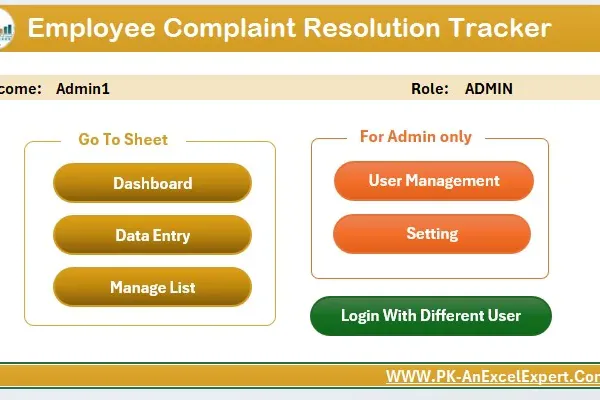
The best complaint handling system does more than respond well after something goes wrong. It also reduces how often the same complaint appears. Every repeated complaint is data. If customers keep asking the same angry question, the real issue may not be support performance alone. It may be a store process, product page gap, shipping expectation, or unclear policy.
Turn Complaints Into Improvement Signals
Track complaint patterns by category. Look for repeat themes such as damaged packaging, missing accessories, sizing confusion, delayed tracking updates, or refund misunderstandings. When you review complaints this way, support stops being a reactive function and becomes a useful source of operational insight.
Ask practical questions:
- Are customers confused before buying because the product page is incomplete?
- Are shipping expectations too optimistic?
- Are return instructions hard to find?
- Are agents giving inconsistent answers?
- Are certain products creating a disproportionate number of complaints?
These questions help you fix the root cause rather than simply replying better each time.
Improve the Customer Journey Around Common Friction Points
Many complaints can be reduced by tightening the information customers see before and after purchase. Clearer delivery estimates, better product photos, accurate variant labels, visible return terms, and proactive order updates all lower uncertainty. Complaint prevention is often less about saying more in support and more about making fewer things confusing in the first place.
Create Tone Guides and Response Templates
Templates are valuable when they are built properly. Create a small library of complaint-response templates for common scenarios, but write them in a flexible, human tone. Include placeholders for the specific issue, the solution offered, and the next update time. Train your team to personalize the opening and closing lines so the response never feels mechanical.
A good internal support process usually includes:
- A checklist for reviewing order facts before replying
- Approved solution paths for common complaint types
- Tone examples for polite and calm wording
- Escalation rules for unusual or sensitive cases
- Follow-up reminders so customers are not left waiting
This kind of structure helps your team stay consistent even during busy periods.
Quick Response Checklist for Support Teams
Before sending any complaint reply, run through this short checklist. It keeps the response calm, clear, and useful.
- Have I read the full message carefully?
- Do I understand both the problem and the customer's frustration?
- Does my reply acknowledge the issue before explaining it?
- Have I apologized appropriately where needed?
- Did I confirm the order facts or relevant details?
- Is the solution clear and practical?
- Did I give a realistic timeline for the next step?
- Does the tone sound respectful rather than defensive?
- Have I removed any unnecessary blame, jargon, or cold wording?
- Would I feel respected if I received this exact message as a customer?
This checklist is simple, but it prevents many of the small mistakes that turn ordinary complaints into long support threads.
Conclusion
Knowing how to handle customer complaints calmly and politely is not about memorizing perfect words. It is about building the discipline to slow down, recognize frustration, respond with respect, and guide the customer toward a fair next step. In ecommerce, where trust can rise or fall through a single message, that discipline matters.
The most effective complaint handling combines empathy with clarity. Customers want to feel heard, but they also want action. When you acknowledge the problem, explain the solution clearly, and follow through on your timeline, you do more than resolve one issue. You show that your business can be trusted when things are not going smoothly. That is often the moment customers remember most.
