
Winning a first sale is important, but building a store that buyers return to again and again is what creates long-term stability. Many ecommerce businesses spend most of their time chasing new traffic, testing ads, and looking for fresh leads, yet a large share of their future profit often comes from people who have already purchased once. That is why practical tips for earning more repeat customers matter so much. A repeat buyer already knows your brand, understands your checkout process, and needs less persuasion than a stranger seeing your store for the first time.
Repeat customers are also easier to serve well because you have context. You know what they bought, when they bought it, how often they open your emails, and what kinds of offers interest them. That gives you a real chance to build a smarter retention strategy instead of relying on broad promotions that reduce margins. In ecommerce, retention is rarely the result of one big tactic. It usually comes from a series of smaller decisions that make customers feel confident, understood, and well looked after after the first purchase.
This article takes a retention-first approach that is distinct from general customer service or trust-building advice. The focus here is on the systems, messages, offers, and measurements that turn one-time buyers into loyal customers. If you want practical tips for earning more repeat customers without depending only on constant discounts, these strategies will help you create stronger post-purchase habits and higher customer lifetime value.
Why Repeat Customers Matter More Than One-Time Sales
A repeat customer is someone who purchases from your store more than once within a meaningful period. That sounds simple, but the business impact is significant. A one-time buyer may leave you with a slim margin after ad costs, payment fees, and fulfillment expenses. A returning customer often costs much less to convert, especially if they come back through email, direct visits, or brand recall instead of paid acquisition.
Retention improves business health in several ways:
- Lower acquisition pressure: You do not need every sale to come from a new ad click.
- Higher average customer value: One shopper can create multiple profitable orders over time.
- More predictable revenue: Repeat orders make month-to-month sales less volatile.
- Stronger word of mouth: Loyal buyers are more likely to recommend your store.
- Better product learning: Returning customers help you identify what actually keeps people coming back.
Retention Improves Profit More Efficiently
Many ecommerce sellers assume growth means constantly increasing traffic. In reality, improving the percentage of customers who buy again can raise revenue without increasing advertising spend at the same pace. When a customer returns, they typically move through the buying journey faster. They ask fewer questions, compare fewer alternatives, and hesitate less at checkout.
Repeat Customers Create Better Strategic Options
A store with strong repeat business can test new products, bundles, and subscription ideas more confidently. Existing buyers are often the first audience willing to try a complementary product or limited offer. That makes retention not only a revenue strategy, but also a learning strategy. A loyal customer base gives your store feedback, resilience, and room to grow in a controlled way.
Make the First Order Experience Worth Repeating
No retention campaign can fully repair a disappointing first order. If the initial experience feels confusing, delayed, or underwhelming, many customers will never give your store a second chance. One of the most practical tips for earning more repeat customers is to treat the first purchase as the start of a relationship, not the end of a conversion.
Set Accurate Expectations Before Checkout
Repeat buying begins before the order is placed. Customers are more likely to return when the product they receive matches what they expected. This means your product page should reflect size, features, variations, delivery timelines, and usage details clearly. Overpromising may lift first-time conversions temporarily, but it damages future purchase intent.
Expectation-setting should include:
- Clear delivery estimates
- Accurate product photos and variant labels
- Honest descriptions of materials, fit, or functionality
- Transparent shipping fees and return conditions
Reduce Buyer Regret After Purchase
Customer regret often appears in the gap between payment and delivery. If buyers feel uncertain during that period, they may start doubting their decision. A clear confirmation email, simple order timeline, and proactive shipping update can reduce anxiety. Even a short message that tells the customer what happens next can strengthen confidence.
Make Unboxing Reinforce the Decision
Packaging alone does not create loyalty, but the arrival experience can confirm whether buying from your store felt worthwhile. Orders should arrive organized, intact, and consistent with your brand promise. A clean insert with care instructions, usage guidance, or a small note about what to do next can be more effective than an overly expensive packaging upgrade.
Ask yourself one practical question: Does the customer feel smart for ordering from us? If the answer is yes, the path to a second purchase becomes much easier.
Use Post-Purchase Follow-Ups That Feel Helpful
Many stores stop communicating after delivery, or they send generic sales messages too quickly. That is a missed opportunity. Post-purchase communication should help the customer succeed with what they bought, remind them of your value, and open the door to a natural next purchase. Helpful follow-ups are one of the strongest practical tips for earning more repeat customers because they extend the customer experience beyond the checkout page.
Build a Follow-Up Sequence With a Clear Purpose
Instead of sending random campaigns, create a sequence based on timing and usefulness. A strong post-purchase flow might look like this:
- Order confirmation: Reassure the buyer and summarize the order clearly.
- Shipping update: Reduce uncertainty while the order is in transit.
- Delivery check-in: Confirm arrival and offer help if needed.
- Usage or care tips: Help the customer get better results from the product.
- Review request: Ask for feedback after the buyer has had time to use the item.
- Relevant next-step offer: Recommend a refill, accessory, or complementary product when the timing makes sense.
Avoid Sounding Like a Constant Sales Machine
The tone of post-purchase messaging matters. Customers respond better when your communication feels relevant rather than automated for its own sake. For example, a store selling skincare might send routine guidance on when to reorder after thirty days. A store selling home office accessories might send setup ideas and then suggest a matching product a week later. Both examples connect the next sale to the original purchase instead of interrupting the customer with an unrelated promotion.
Use Reorder Timing Intelligently
Some products naturally run out, wear out, or become part of a routine. If your store sells consumables, supplies, maintenance items, or seasonal goods, reorder reminders can generate highly qualified repeat sales. The key is to time them around actual product usage. A reminder that arrives too early feels pushy. A reminder that arrives too late gives the customer time to buy elsewhere.
Useful reorder triggers include:
- Expected refill cycle
- Average replacement period
- Weather or seasonal usage patterns
- Past buying behavior from that specific customer segment
Personalize Offers Based on Real Buying Behavior
Personalization is often discussed in broad terms, but in ecommerce it should be practical and observable. You do not need complicated artificial intelligence to make better offers. You need a clear understanding of what customers already bought, what usually goes with it, and when a follow-up offer is most likely to help. This is where practical tips for earning more repeat customers become much more profitable than mass discounting.
Segment Customers by What They Actually Do
One of the most effective retention habits is simple customer segmentation. Group buyers based on actions rather than assumptions. A customer who bought once from a sale campaign is different from a customer who purchased a premium item at full price. A customer who reorders every six weeks should not receive the same message as someone who has been inactive for six months.
Useful ecommerce segments include:
- First-time buyers
- High-value customers
- Recent repeat buyers
- Lapsed customers
- Frequent discount users
- Buyers of specific product categories
Recommend Complementary Products, Not Random Products
Customers are much more likely to return when recommendations feel logical. If someone buys a coffee machine, a follow-up for filters or cleaning supplies makes sense. If someone buys storage containers, related organizers may be relevant. Recommendations should extend the value of the first order, not create confusion.
A good cross-sell or follow-up product usually does one of three things:
- Helps the original product work better
- Solves the next likely problem
- Fits the same routine or use case
Use Customer History to Protect Margins
Not every repeat sale requires a coupon. Some customers respond to convenience, early access, product bundles, or free shipping thresholds better than direct discounts. When you understand buying history, you can choose the least margin-damaging offer that still motivates action. That is a more sustainable model than training every customer to wait for a sale.
Build Trust Through Consistency After the Sale
Trust is not only earned on the homepage. It is proven after the order, especially when something goes wrong or when the customer needs support. Stores that earn repeat customers usually feel dependable in small, repeatable ways. The buyer knows what to expect, how to get help, and how issues will be handled. That consistency reduces the risk of buying again.
Make Returns and Exchanges Easy to Understand
A clear return process makes customers more comfortable placing a second order. Even shoppers who never return anything may come back because they know the option exists. Confusing policies, delayed refunds, or unclear instructions create hesitation that affects future conversions. Repeat customers need to feel that the store will be fair if the next purchase is not perfect.
Respond in a Way That Preserves the Relationship
When a customer reaches out after purchase, speed matters, but clarity matters just as much. A repeat customer is often lost not because a problem happened, but because the resolution felt slow, defensive, or uncertain. Good retention-focused support does not only close tickets. It restores confidence quickly enough that the customer remains open to ordering again.
When resolving issues, focus on:
- Acknowledging the problem clearly
- Explaining the next step without vague language
- Giving a realistic timeline
- Following through exactly as promised
Create a Familiar Brand Experience
Consistency across email, packaging, delivery communication, and support messages helps customers feel that your store is reliable. They do not need every interaction to be exciting. They need it to be smooth, recognizable, and professionally managed. Reliability is often underrated in ecommerce, yet it is a major reason people reorder from one store instead of testing a competitor.
Create Loyalty Incentives That Protect Margins
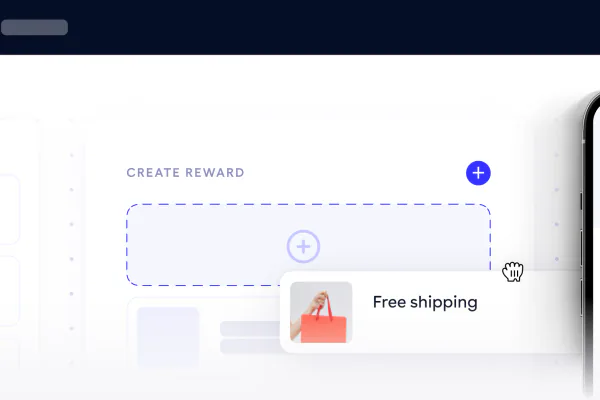
Loyalty programs can help, but only when they are designed around customer behavior and profit discipline. Too many stores launch points systems that sound impressive but add complexity without changing repeat purchase habits. The best loyalty incentives are easy to understand and closely tied to the reasons customers already buy.
Choose the Right Incentive Model
Not every store needs the same structure. Your loyalty approach should reflect product type, buying frequency, and average order value. Some businesses benefit from simple points. Others do better with tiered perks, early access, or subscription convenience.
Common loyalty models include:
- Points programs: Customers earn value over multiple orders.
- VIP tiers: Higher spending unlocks benefits like priority access or better service perks.
- Bundles: Customers save by buying related products together.
- Subscriptions: Repeat orders happen automatically on a schedule.
- Referral rewards: Loyal customers receive benefits for bringing in new buyers.
Reward Behavior You Actually Want
A strong loyalty strategy rewards actions that increase long-term value. That may mean encouraging a second purchase within thirty days, promoting multi-item orders, or moving a customer into a refill cycle. If the incentive does not align with profitable behavior, it becomes an expense instead of a retention tool.
Use Non-Discount Perks Where Possible
Discounts are easy to understand, but they are not always the smartest way to drive repeat business. Many customers value convenience and recognition just as much. Consider benefits such as:
- Early access to new products
- Members-only bundles
- Free shipping after a loyalty milestone
- Priority support for top customers
- Bonus samples tied to relevant categories
These perks can strengthen loyalty without teaching buyers to expect lower prices every time.
Track the Metrics That Reveal Customer Loyalty
You cannot improve repeat buying consistently if you only watch total sales. Revenue can rise while customer loyalty weakens underneath. One of the most practical tips for earning more repeat customers is to track the few retention metrics that clearly show whether your systems are working.
Measure Repeat Purchase Rate
Repeat purchase rate shows what percentage of customers buy more than once. This is one of the clearest indicators of whether your store is converting first orders into ongoing relationships. If this number stays flat while traffic grows, your acquisition may be masking a retention problem.
Watch Customer Lifetime Value
Customer lifetime value helps you understand how much revenue the average customer generates over time. This metric is useful because it connects retention to business quality, not just volume. If lifetime value increases, your store is usually doing a better job of creating meaningful second and third purchases.
Study Time Between Orders
Time between first and second purchase is especially important. The second order is often the hardest repeat sale to earn because the habit is not established yet. If too much time passes, the customer may forget your store entirely. Looking at this gap can help you adjust reminders, follow-up timing, and loyalty offers.
Identify Churn Signals Early
Customers rarely disappear without warning. Inactive email behavior, long reorder gaps, rising support complaints, or lower engagement from certain product lines can all signal future churn. Monitoring these patterns helps you act earlier with a helpful reminder, a more relevant offer, or a service improvement.
Retention metrics worth reviewing regularly include:
- Repeat purchase rate
- Customer lifetime value
- Second purchase conversion rate
- Average time between orders
- Email revenue from existing customers
- Inactive customer percentage
Common Retention Mistakes Ecommerce Stores Should Avoid
Knowing what not to do is just as important as applying the right tactics. Many ecommerce stores undermine repeat buying with habits that seem harmless in the short term but weaken loyalty over time.
Over-Discounting Every Campaign
If every message is a sale, customers learn to delay purchases until the next offer appears. This hurts margins and reduces the perceived value of your products. Discounts should be selective, timed, and connected to a clear retention objective, not used as a default communication style.
Sending the Same Message to Everyone
Generic email blasts ignore customer history. A first-time buyer should not get the same message as a loyal subscriber, and a recent purchaser should not receive an immediate promotion for the item they just bought unless it makes logical sense. Relevance is a core part of retention.
Ignoring Post-Purchase Friction
Late shipping, confusing tracking, unclear return steps, and slow problem resolution all damage the chance of a second purchase. Many stores focus heavily on conversion rate optimization while overlooking the friction that appears after payment. Retention is built in those overlooked moments.
Failing to Ask Why Customers Return
If customers are already buying again, study the pattern. Which products create the most repeat behavior? Which email flows lead to second orders? Which customer segments respond without discounts? Strong stores do not guess. They use existing loyalty signals to build a better system.
How to Turn Retention Into a Repeatable Store System
The best results come when retention is treated as an operating system, not a single campaign. Instead of asking how to get one more sale from past customers, ask how to make repeat buying the natural next step for the right customer at the right time.
Start With a Simple Retention Framework
You do not need a complicated setup to begin. A practical framework can be built around four stages:
- Deliver well: Make the first order smooth and accurate.
- Follow up helpfully: Guide the customer after delivery.
- Recommend intelligently: Offer relevant next products or replenishment.
- Measure and refine: Track repeat behavior and improve weak points.
Assign Ownership to Retention Activities
Even small stores benefit from defining who manages post-purchase emails, loyalty offers, customer data review, and repeat-customer reporting. When nobody owns retention, it becomes an occasional marketing task instead of an ongoing business function.
Test One Improvement at a Time
Try focused experiments such as changing the timing of a reorder reminder, adding a care email three days after delivery, or offering a bundle instead of a discount for second purchases. Small controlled tests often reveal more than large, messy changes rolled out all at once.
Conclusion
Practical tips for earning more repeat customers are not about chasing loyalty with endless promotions. They are about making the first order satisfying, extending value after delivery, personalizing the next offer, and removing friction that gives customers a reason to leave. When your store becomes easier to trust, easier to buy from again, and more relevant over time, repeat sales become a predictable outcome rather than a lucky bonus.
For ecommerce sellers, retention is one of the clearest ways to build stronger profit without relying entirely on new traffic. Start by improving one step in the repeat customer journey: your follow-up timing, your product recommendations, your returns clarity, or your loyalty structure. Then measure what changes. Over time, those focused improvements can create a store that customers do not just buy from once, but choose to come back to repeatedly.
