
Growing an ecommerce store is rarely about one big breakthrough. Most successful store owners will tell you the same thing: steady, consistent progress beats bursts of random activity every single time. When you try to fix everything at once, nothing gets fully optimized. But when you move through each part of your business deliberately, the improvements stack up and compound over time.
This guide is designed for store owners who want a clear, realistic path forward. Instead of overwhelming tactics, you will find a simple framework: clarify your goals, strengthen your store experience, attract the right visitors, convert more of them, and keep them coming back. One step at a time.
Start With Clear Growth Goals and Baseline Metrics
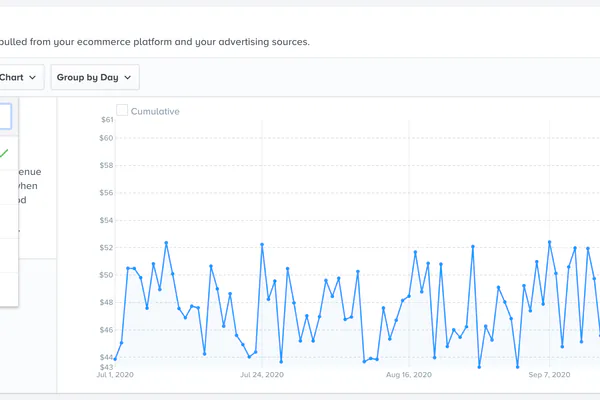
Before making any changes, you need to know where you stand. Growth means different things at different stages. For a new store, it might mean getting the first 100 visitors. For an established one, it might mean lifting the repeat purchase rate from 15% to 25%.
Pick two or three numbers that matter most right now and check them weekly. Common baseline metrics include:
- Monthly traffic – how many unique visitors reach your store
- Conversion rate – the percentage of visitors who make a purchase
- Average order value (AOV) – the average amount spent per transaction
- Repeat purchase rate – how often customers come back to buy again
Without a baseline, you have no way to tell whether your next change helped or not. Start tracking before you start tweaking.
Fix the Store Experience Before Scaling Traffic
Sending more visitors to a store with a poor experience wastes money and effort. The most important thing you can do before investing in marketing is make sure your store works well for the people already visiting it.
Mobile and Speed Basics
Most shoppers browse on a phone. If your store loads slowly or looks broken on mobile, they leave before they even see your products. Use a fast, mobile-responsive theme and test your store on your own phone regularly. Compress large images and remove any unused apps that slow down loading.
Navigation and Trust Signals
Visitors should be able to find what they need within two or three clicks. Keep your menu simple and use clear category names. Add trust signals like return policy links, secure payment badges, and an accessible contact page. These small details reduce hesitation and make buyers feel safer completing a purchase.
Checkout Simplicity
A complicated checkout is one of the most common reasons for abandoned carts. Offer guest checkout, keep form fields minimal, and display the total cost clearly before the final step. Every extra click or hidden fee gives a visitor a reason to leave.
Bring In Qualified Traffic From a Few Reliable Channels
Instead of spreading effort across every possible marketing channel, choose two or three that match your store type and your available time. Traffic quality matters more than volume.
Search Engine Optimization
Optimize your product pages and category pages with the phrases real shoppers type into search engines. Use descriptive product titles, clear headings, and helpful content that answers buyer questions. SEO takes time but delivers consistent traffic without ongoing ad spend.
Email Capture and Marketing
An email list is one of the most reliable growth assets a store can own. Set up a simple welcome offer to encourage sign-ups, and send regular emails with useful content, new arrivals, and promotions. Email brings back visitors who already know your store, which means higher conversion rates than cold traffic.
Social Content and Partnerships
Pick one social platform where your ideal customer spends time. Post consistently with product photos, how-to content, and behind-the-scenes updates. Consider collaborating with small creators or complementary brands to reach new audiences without a large ad budget.
Improve Conversion Rate Before Chasing More Visitors
If your store converts at 1% and you double your traffic, you double your costs too. But if you improve conversion to 2% while traffic stays the same, you double your sales for free. Conversion optimization is often the highest-leverage activity for a growing store.
Test One Element at a Time
Change your main call-to-action button, your product hero image, or your shipping offer. Keep one variable constant so you can see what moved the needle. Small tests over time add up to significant gains.
Use Social Proof
Display customer reviews near the buy button, show how many people have purchased the item, and feature real user photos when available. Shoppers trust other shoppers more than they trust any promotional copy you can write.
Increase Average Order Value With Smart Merchandising
Once visitors are converting, the next lever is increasing how much each order is worth. Higher AOV means more revenue from the same number of customers.
- Upsells: Offer a premium version or upgrade on the product page or at checkout.
- Cross-sells: Show related or complementary products at the cart stage.
- Bundles: Group products at a slight discount to encourage larger purchases.
- Free shipping threshold: Set the free shipping minimum just above your current AOV to nudge customers into adding more items.
You do not need all of these tactics at once. Pick one, implement it well, measure the impact, and then move to the next.
Turn First-Time Buyers Into Repeat Customers
Acquiring a new customer costs significantly more than keeping an existing one. Repeat buyers also tend to spend more and refer others more often. Building retention into your store early is one of the best long-term investments you can make.
Post-Purchase Follow-Up
Send a thank-you email within 24 hours. Follow up after delivery to ask how the product worked out. A simple check-in shows that you care about the experience, not just the sale. This builds the kind of goodwill that drives people back.
Make Coming Back Easy
Keep customers engaged between purchases with helpful content, early access to new arrivals, or a simple points system. Even a basic loyalty reward creates a reason to return to your store instead of buying from a competitor.
Build a Simple Monthly Growth Routine
The stores that grow consistently are the ones that review their numbers regularly and make one deliberate improvement each month. Random marketing decisions based on gut feeling rarely compound into meaningful progress.
- Review last month’s key metrics: traffic, conversion rate, AOV, and repeat purchase rate.
- Identify the one area with the biggest gap between current and target performance.
- Choose one specific action to improve that area this month.
- Implement the change, document what you did, and measure the result.
- Carry the learning into the next month’s review.
Growing an ecommerce store does not require perfection. It requires patience, observation, and a willingness to improve one thing at a time. When you fix your store before scaling traffic, convert better before buying more visitors, and retain customers before hunting for new ones, each stage builds on the last. That is how sustainable growth happens — not all at once, but one deliberate step at a time.
