
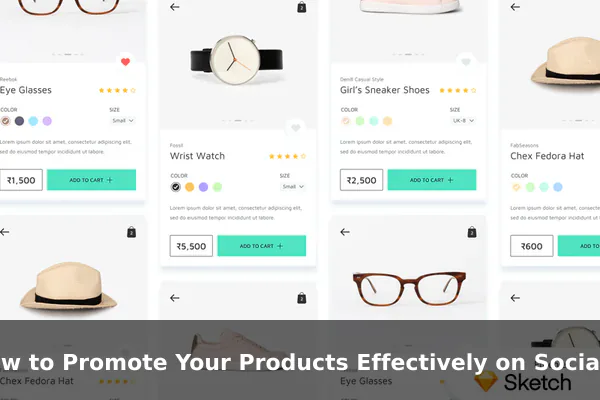
Social media is one of the most cost-effective channels available to ecommerce sellers today. It reaches buyers where they already spend time, builds brand recognition at low upfront cost, and can drive consistent traffic to your online store. But posting without a clear strategy rarely produces lasting results.
Effective social media promotion is about more than posting frequency. It requires choosing the right platforms, crafting messages that resonate quickly, and creating content that earns attention before it asks for a sale. Small ecommerce brands can absolutely compete by being consistent, visually clear, and genuinely useful to their audience.
Choose the Right Platforms for Your Product
Not every social platform works for every product. Spreading effort across six channels at once leads to burnout and diluted results. Instead, identify two or three platforms where your target buyers actually spend time and where your content type fits naturally.
Match Your Product Type to Platform Strengths
- Instagram and Pinterest: Ideal for visual products like fashion, home décor, food, and beauty
- TikTok: Best for short demo videos, trending products, and younger audiences
- Facebook: Strong for community-based selling, older demographics, and Facebook Shop integration
- LinkedIn: Most effective for B2B products, professional tools, and industry-specific goods
- YouTube: Great for in-depth reviews, tutorials, and products that benefit from longer demonstration
Think about where your buyers browse before they purchase, not just which platform has the largest user base. Starting on the right two channels and doing them well is far more effective than being half-present everywhere.
Build a Product Message People Understand Fast
On social media, your audience decides whether to keep scrolling in under three seconds. A clear product message is worth more than a clever one if it immediately answers: Why should I care about this?
Lead With Benefits, Not Features
Features tell buyers what a product is. Benefits tell them what it does for their life. Instead of “Made with high-quality stainless steel,” try “Stays cold for 24 hours — no more lukewarm drinks.” Focus on real outcomes buyers care about.
Add Social Proof to Your Core Message
Weave customer numbers, review ratings, or short testimonials into your post copy early. A line like “Loved by 3,000+ home cooks” builds trust faster than any product description you write alone.
Create Content That Sells Without Feeling Promotional

Buyers scroll past posts that look like ads. The most effective ecommerce social content earns trust first and promotes second. A mixed content approach keeps your feed valuable and builds purchase desire over time.
Content Types That Drive Ecommerce Results
- Product demos: Show the item being used, not just a flat product shot
- Tutorials: Teach buyers how to get the best results from your product
- Behind-the-scenes content: Show your packaging process, sourcing decisions, or team in action
- Customer reviews and unboxing clips: Let real buyers speak for you
- Limited-time offers: Create urgency without turning every post into a discount alert
A useful rule of thumb: aim for roughly 70% value-first content — educational, entertaining, or relatable — and 30% direct promotion. This ratio keeps followers engaged instead of tuned out.
Use Visuals and Captions to Capture Attention
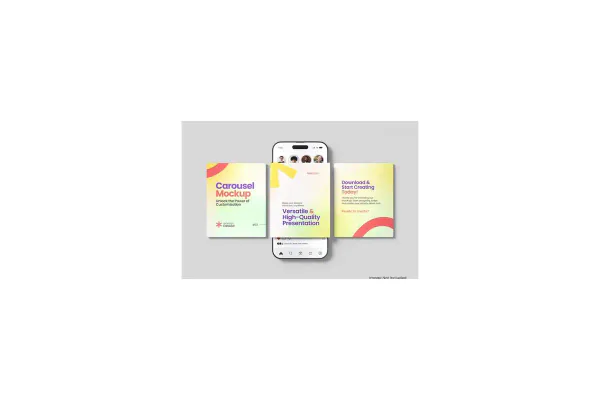
Strong visuals stop the scroll. Good captions convert that attention into action. Both elements need to work together for your posts to drive real results.
Visual Best Practices for Product Posts
- Use clean, uncluttered backgrounds that make the product the clear focal point
- Show the product in a real-life context so buyers can picture themselves using it
- Keep any text overlays to one short line — less is more on mobile screens
- Use consistent colors and framing so your brand becomes recognizable at a glance
Writing Captions That Convert
Open with a hook — a question, a bold statement, or a short striking fact. Follow with one or two lines on the benefit or story. End with a clear, specific call to action: “Shop now via the link in bio,” “DM us to order today,” or “Tap to see all available sizes.” Vague calls to action get ignored; specific ones get clicks.
Plan a Posting Schedule That Supports Consistency
Consistency outperforms intensity on social media. Posting three times a week, every week, builds a larger and more engaged audience than posting daily for two weeks and then going silent for a month.
Building a Simple Content Calendar
- Choose a weekly theme rotation: product spotlight, customer feature, educational tip, and promotional offer
- Batch-create content every two weeks so you are never scrambling for last-minute posts
- Schedule seasonal campaigns — holidays, sale events, product launches — at least three to four weeks ahead
Even a simple spreadsheet with planned dates, content types, and caption drafts is enough to stay consistent without burning out. The goal is a reliable rhythm, not perfection.
Boost Reach With Influencers, UGC, and Paid Promotion
Organic reach has natural limits. At the right stage, partnerships and paid tools can accelerate growth significantly without requiring a large budget.
Micro-Influencer Partnerships
Micro-influencers with 5,000 to 50,000 followers often deliver better engagement rates for niche products than celebrity accounts. Look for creators whose audience genuinely matches your buyer profile. Authenticity matters far more than raw reach numbers.
User-Generated Content
Encourage buyers to share photos using a branded hashtag, or run simple giveaways that ask followers to tag a friend or repost your content. User-generated content provides free material, organic reach, and powerful social proof simultaneously.
When to Use Paid Ads
Start by boosting posts that already perform well organically. Run retargeting ads aimed at visitors who browsed your store but did not complete a purchase. Test with a modest daily budget before scaling what proves effective.
Turn Engagement Into Sales
Likes and comments signal interest, but the goal is purchase. Reducing the friction between attention and checkout is the critical final step in your social media strategy.
Make the Path to Purchase Simple
- Use Instagram Shopping tags or Facebook Shop to let buyers purchase without leaving the app
- Always link directly to the relevant product page, not your general homepage
- Respond to comments and DMs promptly — many buyers make decisions in the conversation thread itself
Speed matters in social commerce. A buyer who asks a question and waits 24 hours for a reply has often already purchased from a competitor. Fast, friendly replies close sales that polished posts alone cannot.
Track What Works and Refine Over Time
Promotion without measurement is guesswork. Tracking the right metrics helps you invest more in what works and stop wasting time on what does not.
Key Metrics for Ecommerce Social Media
- Click-through rate: The share of viewers who clicked your link after seeing the post
- Saves and shares: Strong signals of content quality and purchase intent, especially on Instagram
- DM inquiries: A direct indicator of active buying interest
- Social traffic conversion rate: Check your store analytics to measure how many social visitors actually completed a purchase
Review these numbers monthly. Replace underperforming content formats, test new ideas, and build on what your audience responds to most. Results compound over time when you stay consistent and stay curious about what your buyers actually want to see.
Promoting your products effectively on social media is not about being everywhere or posting constantly. It is about showing up on the right platforms, communicating your value clearly, and building genuine trust with your audience before asking for the sale. Start with a realistic plan, stay consistent, and refine based on real data — that approach works for ecommerce brands at every stage of growth.
