
Growing an online store takes more than launching a website and waiting for customers to arrive. Many store owners hit a plateau after their first few months — products are listed, the basics are in place, and a few sales have come through, but growth feels slow and unpredictable. The encouraging truth is that meaningful improvement rarely requires a complete overhaul or a massive advertising budget.
Most ecommerce growth comes from fixing small friction points that quietly push customers away. A confusing checkout flow, blurry product photos, or a page that loads too slowly can cost you more sales than any single marketing campaign could recover. This guide focuses on three practical goals: attract more targeted visitors to your store, convert more of those visitors into paying customers, and build loyalty so buyers return again and again. Each section covers actions you can apply without specialized technical knowledge or a large team.
Make Your Store Easier to Use
The single biggest reason shoppers leave without buying is not price — it is friction. When navigating your store feels confusing or slow, visitors move on to a competitor before you ever get a chance to make your case. Reducing that friction is consistently one of the highest-return improvements any ecommerce store owner can make.
Speed Up Your Pages
Page speed directly affects both search rankings and conversion rates. A one-second delay can reduce conversions by several percentage points, especially on mobile connections. To speed up your store:
- Compress product images before uploading using a tool like TinyPNG or your platform’s built-in optimizer.
- Remove unused apps or plugins that add unnecessary code to every page load.
- Enable browser caching and a content delivery network (CDN) if your platform supports it.
- Test your current speed at Google PageSpeed Insights and work through its top recommendations first.
Design for Mobile Shoppers
More than half of ecommerce browsing now happens on a smartphone. If your store is difficult to use on a small screen — tiny buttons, text that requires pinching to read, or a checkout that breaks on mobile — you are losing a significant share of potential buyers. Choose a responsive theme, test every key page on an actual phone, and keep tap targets large enough for fingers rather than mouse cursors.
Simplify Navigation and Checkout
Customers should find what they want within two or three clicks. Keep your main menu limited to your most important categories, add a clearly visible search bar, and enable predictive search suggestions where possible. For checkout, offer a guest option, display the full cost including shipping before the final screen, and accept multiple payment methods. Every unnecessary step or surprise cost is a reason to abandon the cart.
Write Product Pages That Help People Buy
Your product page is your most important salesperson. Unlike a physical store where staff can answer questions in real time, the page itself must address every concern a shopper might have and make the decision to purchase feel easy and confident.
Improve Titles, Descriptions, and Photos
Product titles should include the key information a buyer searches for — the item type, a defining feature, size or variant if relevant. Descriptions should go beyond listing specifications. Explain what the product does for the customer, how it solves a problem, and why it is the right choice. Use short paragraphs and bullet points to make the text easy to scan on any device.
Photos carry enormous weight in purchase decisions. Use multiple images showing the product from different angles, in context or in use, and at a scale that communicates real-world size. Good lighting and a clean background go a long way — a simple lightbox setup produces consistent, professional-looking results without expensive equipment.
Clarify Pricing and Add Trust Signals
Unexpected costs at checkout are the leading cause of cart abandonment. Display price prominently on the product page, show any savings clearly if the item is on sale, and mention shipping cost or free-shipping eligibility before the shopper reaches checkout. Place your return policy and any satisfaction guarantee near the buy button — where trust matters most, in the moment of decision.
Write Strong Calls to Action
Your Add to Cart or Buy Now button should stand out visually with a contrasting color and an action-oriented label. Place it above the fold so shoppers never have to scroll to find it. Genuine urgency cues — accurate low-stock notices or real shipping cutoffs — can also move hesitant buyers to act without feeling manipulative.
Bring in More Targeted Traffic
More traffic only helps when it is the right traffic — people who are actively looking for what you sell. Chasing volume without relevance wastes budget and distorts your conversion data. The goal is qualified visitors who arrive already interested in your product category.
Apply Basic On-Page SEO
Search engine optimization is free and compounds over time. Focus on these foundational actions:
- Write unique meta titles and descriptions for your most important product and category pages.
- Include the exact phrases buyers search for in product titles and descriptions — Google’s autocomplete and related searches are a free research tool.
- Add descriptive alt text to all product images so search engines understand what they show.
- Build internal links between related products and categories to help search engines discover and index your full catalog.
Build and Use an Email List
Email is consistently the highest-return marketing channel for ecommerce. Offer a small incentive — a first-order discount, a useful buying guide, or early access to new arrivals — in exchange for a signup. Send a regular newsletter with product highlights, practical tips, and subscriber-only offers. Even a focused list of a few hundred engaged contacts can generate dependable repeat sales at near-zero cost per send.
Create Content That Matches Buyer Intent
A simple blog or buying-guide section on your store captures search traffic from shoppers in the research phase. Write about how to choose between product types, how to solve a common problem your products address, or how to get the most from something you sell. This kind of content builds credibility with search engines and with readers who are close to making a purchase decision.
Increase Conversions With Trust and Offers
Getting visitors to your store is only half the challenge. Converting those visitors into buyers requires reducing doubt and giving shoppers a clear reason to act today rather than think it over and forget.
Collect and Display Customer Reviews
Reviews are among the most powerful conversion tools available because shoppers trust other customers more than any brand claim. Automate a post-purchase email asking buyers to share their experience, and display reviews prominently on product pages. Respond to negative reviews professionally and constructively — how a store handles problems tells prospective buyers more than a page of five-star ratings.
Be Transparent About Shipping and Returns
Uncertainty about delivery time or how to return an item silently blocks many purchases. Create a dedicated shipping and returns page, link to it from product pages and the checkout flow, and state your policies in plain language. If you offer free returns, say so clearly near the buy button. Specific, honest information reduces anxiety and builds the confidence shoppers need to proceed.
Use Promotions With a Purpose
Random discounting erodes perceived value over time. Instead, structure offers around a clear goal:
- Free shipping thresholds (for example, free shipping on orders over a set amount) raise average order value.
- Limited-time offers tied to genuine events create real urgency without artificial pressure.
- Product bundles let you provide a deal while increasing the total cart size.
- First-purchase discounts delivered through email signup attract new customers without conditioning existing ones to wait for sales.
Turn First-Time Buyers Into Repeat Customers
Acquiring a new customer costs significantly more than keeping an existing one. Building loyalty and encouraging repeat purchases is one of the most efficient paths to revenue growth because it increases lifetime value without proportionally increasing your marketing spend.
Follow Up After Every Purchase
What happens after a customer buys is as important as what happens before. Set up a short post-purchase email sequence that includes an order confirmation with delivery details, a shipping notification with tracking, a follow-up one or two weeks after delivery checking in and inviting a review, and a re-engagement message if the customer has not returned within 60 to 90 days. This sequence keeps your store present and shows buyers that you care beyond the transaction.
Personalize Recommendations and Communicate Consistently
Many ecommerce platforms and apps allow you to surface personalized product recommendations based on browse and purchase history. Sections like customers who bought this also bought on product pages, and tailored suggestions in emails, can meaningfully increase both average order value and repeat purchase frequency without adding advertising cost. Pair this with consistent, helpful communication — seasonal guides, new arrivals, care tips — to stay relevant between purchases.
Deliver Outstanding Customer Service
Fast and helpful responses to questions and problems turn one-time buyers into long-term advocates. Make it easy to reach you through a visible live chat option, a clear email address, and a well-organized FAQ. When something goes wrong, resolving it quickly and generously often creates stronger loyalty than if the problem had never occurred at all.
Track What Is Working and Improve Over Time
Improving your store is an ongoing discipline, not a one-time project. The stores that grow most consistently make decisions based on actual data rather than intuition alone.
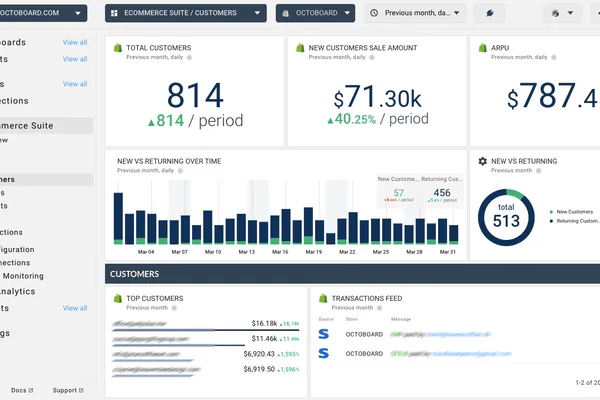
Focus on the Metrics That Matter
You do not need to monitor dozens of numbers. Keep attention on these core indicators:
- Conversion rate: The percentage of visitors who complete a purchase. Even a small improvement here multiplies revenue across all your traffic.
- Average order value (AOV): How much each customer spends per transaction. Bundles, upsells, and free-shipping minimums all help lift this number.
- Cart abandonment rate: A consistently high rate signals specific friction worth investigating in your checkout flow.
- Repeat purchase rate: A rising share of returning customers is a reliable signal that your product quality and shopping experience are genuinely good.
Test One Change at a Time
Before committing to a major store redesign based on a gut feeling, test individual changes and measure results. Swap a product photo, rewrite a description, update button copy, or adjust a price point — then compare performance before and after. This habit produces evidence rather than assumptions and prevents wasted effort on changes that do not actually move the needle.
Listen Directly to Your Customers
Analytics shows you what is happening; customer feedback explains why. A short post-purchase survey asking how buyers found your store, what almost stopped them from completing the purchase, and what they wish you offered gives you specific, actionable insight no dashboard can provide. Real customer language also tends to be the most compelling copy for your product pages and ads.
Growing an online store is a process of steady, intentional improvement rather than a series of dramatic pivots. The habits covered in this guide — faster pages, stronger product content, targeted traffic, trust-building tactics, post-purchase loyalty, and data-informed decisions — compound quietly over time. Begin with the area where your store currently loses the most customers, make one focused change, and measure what shifts. Stores that commit to this kind of consistent refinement build durable revenue and a loyal customer base that no competitor can easily replicate.
