
Starting an online store has never been more accessible. Platforms, payment tools, and shipping solutions are all within reach, even for someone with no prior business experience. But despite how easy it is to open a store, many new sellers still struggle to make consistent sales. The gap is rarely about effort — it usually comes down to a handful of simple habits that seasoned sellers follow and beginners overlook.
This guide covers practical ecommerce tips that do not require a big budget or a technical background. Whether you are setting up your first product listing or trying to improve a slow store, these principles will help you build a cleaner, more trustworthy, and more profitable shop.
Start With a Clear Product Focus
When you are just starting out, it is tempting to list as many products as possible. More products seem like more chances to make a sale. In practice, this often creates the opposite problem. A scattered catalog confuses visitors and makes it harder to establish a clear brand identity.
Start with a focused niche. Choose a category of products you understand well or that serves a specific type of buyer. A focused store is easier to market, easier to manage, and easier for customers to trust. Once you have steady sales in one area, you can expand thoughtfully.
How to Choose a Niche That Works
- Look for products with consistent demand, not just seasonal trends
- Check competitors to confirm there is an active buying audience
- Choose a niche where you can write knowledgeably and confidently
- Avoid oversaturated markets unless you can differentiate clearly
Make Product Pages Easy to Trust
Most visitors to your store are strangers. They have no reason to trust you yet. Your product page is your best opportunity to remove that doubt and guide them toward a confident purchase decision.
Strong product pages consistently include:
- A clear, descriptive title that matches what buyers are searching for
- Multiple photos from different angles on a clean background
- A detailed description that answers the most common buyer questions
- Honest pricing with no hidden fees
- Clear shipping timeframes and return policies
Writing Product Descriptions That Convert
Good descriptions do more than list features. They explain benefits. They tell the buyer how the product will help them, save them time, or solve a specific problem. Keep sentences short and use bullet points where details get dense. Avoid copying manufacturer descriptions — rewritten copy signals to search engines and buyers alike that you care about quality.
Keep the Buying Process Simple
Cart abandonment is one of the most common problems for new sellers. Buyers add items to their cart and then leave without completing the purchase. In many cases, a complicated or slow checkout process is the reason.
Keep the path from product page to confirmation as short as possible. Use a mobile-friendly design since most shoppers browse on phones. Offer multiple payment options. Avoid forcing account creation before checkout. The fewer clicks between add to cart and thank you, the better your conversion rate will be.
Price for Profit, Not Just for Attention
Many new sellers make the mistake of setting prices too low. The logic is understandable — lower prices attract more buyers. But if your price does not cover your costs and leave a reasonable margin, every sale takes you further from a sustainable business.
Before setting a price, calculate all your costs: product cost, packaging, shipping, platform fees, transaction fees, and your own time. Then add a margin that reflects the value you are providing. Competing purely on price is a race you will lose to larger sellers with greater volume and lower overhead.
Understanding Perceived Value
Buyers do not always choose the cheapest option. They choose the option that feels worth the price. Clean photos, confident descriptions, and professional branding all raise perceived value. A small price increase that reflects better packaging or faster shipping can actually improve your conversion rate by making your offer feel more trustworthy and premium.
Use Basic Marketing Channels Consistently
You do not need to be on every social media platform or run expensive ads to grow your store. Most new sellers see better early results by using a small number of channels consistently rather than spreading attention across everything at once.
- SEO on your product pages — clear titles, relevant descriptions, and correct categories help search engines send you free organic traffic
- Email capture — collect subscriber emails from day one so you can promote future offers directly to interested buyers
- One or two social platforms — choose where your target buyer actually spends time, not just where you feel most comfortable
- Post-purchase follow-up emails — a simple message after each order encourages reviews and brings buyers back
Consistency matters more than volume. Showing up regularly for three months builds far more momentum than a burst of activity followed by long silence.
Track the Numbers That Actually Matter
New sellers often track vanity metrics like follower counts or total page views without connecting them to actual sales results. The numbers that tell you whether your store is genuinely healthy are simpler than most people expect.
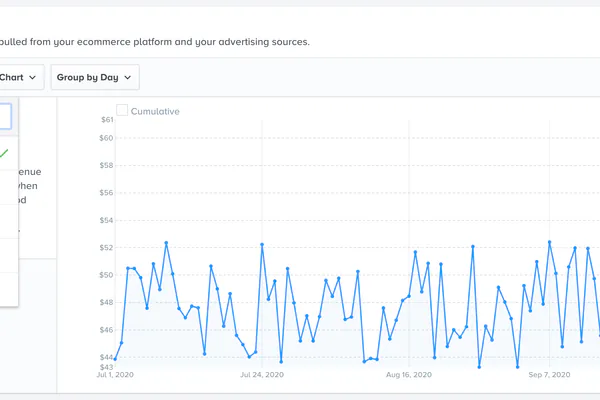
- Conversion rate — how many visitors actually complete a purchase
- Average order value — how much each transaction is worth on average
- Cart abandonment rate — at which step buyers are dropping off before checkout
- Repeat purchase rate — how many customers return for a second order
- Best-selling products — which items drive the most revenue so you can stock and promote them more aggressively
Build Customer Loyalty From the First Order
Your most valuable customers are the ones who come back. Repeat buyers cost less to retain than new buyers cost to acquire, and they tend to spend more per order over time. Building loyalty starts at the very moment of purchase.
Keep buyers informed with order confirmation and shipping update messages. Pack orders carefully. If something goes wrong, respond quickly and take full responsibility. A short thank-you note in the package or a discount code for the next order creates a positive impression that most buyers remember long after the transaction is done.
Common Early Mistakes to Avoid
Many of the struggles new sellers face come from avoidable mistakes. Knowing these in advance saves both time and money during the critical early months of your store.
- Listing products without doing any market or competitor research
- Using low-quality, blurry, or misleading product photos
- Setting prices too low to cover real business costs
- Hiding fees or shipping costs until the final checkout step
- Using inconsistent branding across your store and social profiles
- Ignoring customer questions, reviews, or complaints
- Launching too many products before mastering the basics of one category
Ecommerce rewards consistency, clarity, and genuine attention to the customer experience. None of these tips require large budgets or advanced technical skills — only the patience to do simple things well and the willingness to improve based on what your data tells you. Start with a focused product selection, make every page easy to trust, keep checkout short, price for real margins, and treat every first-time buyer as a potential long-term customer. That is the foundation every successful online store is built on, and it is within reach from day one.
